Truck fleets near you consist of a variety of transportation vehicles managed by companies to ensure efficient logistics and supply chain operations. These fleets vary widely in size and capacity, from small local businesses to large multi-national logistics networks. The logistics industry heavily relies on these fleets for transporting goods efficiently across different regions, underlining their critical role in both urban and rural economies.
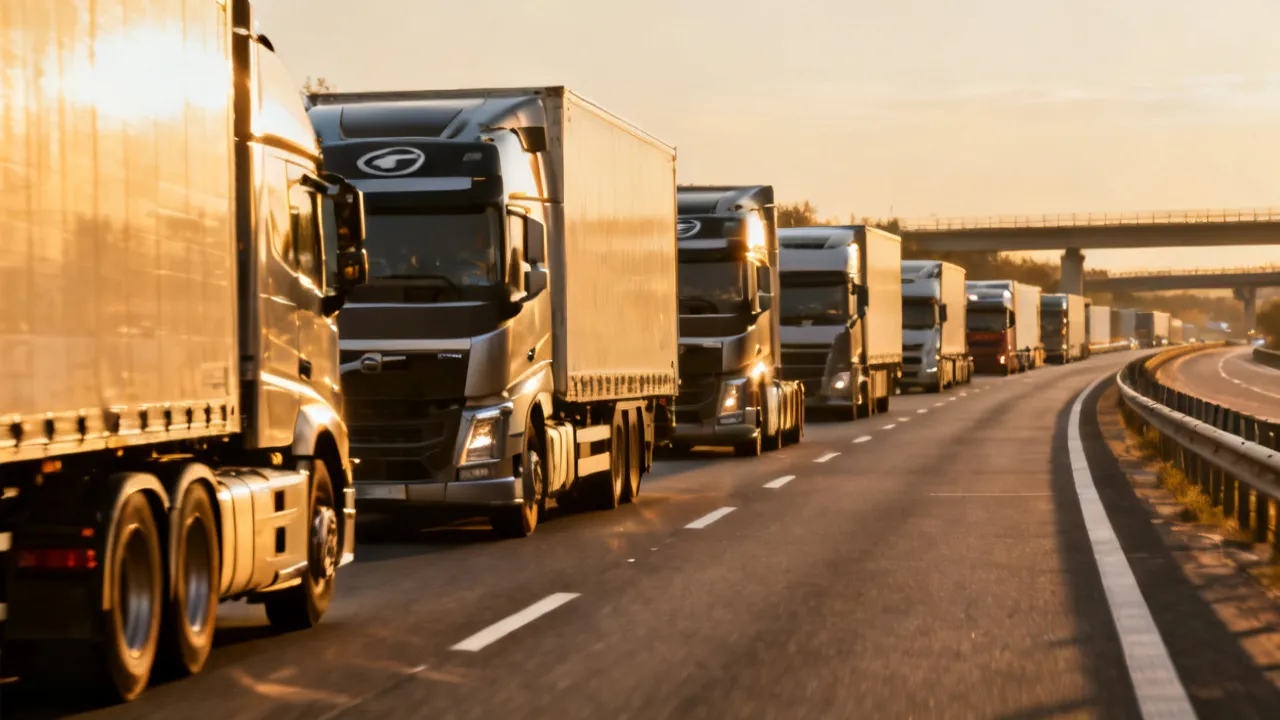
Truck fleets are the backbone of the logistics and transportation industry, ensuring that goods are moved efficiently from manufacturers to consumers. In recent years, there has been a growing demand for efficient and reliable truck fleets in various regions, as supply chains continue to expand globally. When you search for "truck fleets near me," you look for companies that have the capability to meet specific transportation needs promptly. The transportation sector is not merely about moving goods; it encompasses a multitude of functions that range from storage to real-time tracking of shipments, ensuring that products reach their destinations securely and on time.
Truck fleets are instrumental in sustaining economic growth by supporting the supply chain with timely deliveries. They handle everything from raw materials to finished products, crossing metropolitan roads to rural pathways. The fleets come in numerous configurations, tailored to specific industry needs such as refrigerated trucks for perishable goods, flatbeds for large equipment, and tankers for liquids. Each type of truck serves a unique purpose; for instance, refrigerated trucks maintain specific temperature ranges necessary for food safety, while flatbeds are favored for transporting construction materials and machinery. As industries evolve, so too do the demands placed upon truck fleets, pushing them to adapt and incorporate new technologies to better fulfill customer requirements.
Finding the right truck fleet near you involves considering the types of services they provide, their reliability, and their technological capabilities. Companies often look for fleets equipped with state-of-the-art technology, including GPS tracking and real-time reporting, to enhance transparency and efficiency. Reliability, punctuality, and safety records are equally crucial for maintaining trust and ensuring seamless operations. When selecting a fleet operator, businesses should conduct thorough research and potentially engage in discussions with several providers to understand their offerings deeply. Additionally, checking references and customer testimonials can provide valuable insights into how a fleet operates in real-world scenarios.
| Criteria | Explanation |
|---|---|
| Service Variety | Includes specific fleet types (e.g., refrigerated, dry vans, etc.) to cater to different goods. |
| Technology Integration | Use of GPS, telematics for real-time tracking and management. |
| Reputation | Customer reviews and safety records can provide insight into reliability. |
| Cost Consideration | Understanding pricing structures, extra charges for special handling, or seasonal fluctuations. |
| Customer Support | Availability of 24/7 assistance for tracking issues or delays. |
Recent innovations have significantly reshaped how truck fleets operate. The integration of telematics allows for unprecedented levels of fleet management by providing real-time data on vehicle location, fuel efficiency, and driver behavior. This technological edge not only helps in reducing operational costs but also enhances the safety and punctuality of deliveries. For example, some fleets utilize advanced route optimization software that takes into account traffic patterns, weather conditions, and road closures, allowing for more efficient deliveries and happier customers. Additionally, the implementation of driver monitoring systems can track driver performance and support training efforts, further enhancing safety on the roads while minimizing liability for fleet operators.
Moreover, the adoption of electronic logging devices (ELDs) contributes to compliance with Hours of Service regulations, ensuring that drivers do not exceed legal operating hours. This not only protects drivers from fatigue but also helps companies avoid costly fines associated with non-compliance. Furthermore, many fleets are beginning to adopt artificial intelligence (AI) solutions that can predict vehicle maintenance needs based on usage patterns and analytics, leading to increased uptime and lower maintenance costs.
As environmental concerns continue to rise, many truck fleets are adopting eco-friendly practices. From investing in electric trucks to utilizing alternative fuels, these efforts are not only environmentally beneficial but also tend to reduce operational costs. This movement towards sustainability is increasingly becoming a key consideration for businesses when selecting trucking services. The transportation sector's substantial carbon footprint necessitates a shift towards greener alternatives, particularly as consumers and regulatory bodies demand accountability regarding environmental impacts.
Renewable energy sources such as biodiesel and compressed natural gas (CNG) have gained traction in the trucking industry as transitional solutions while electric vehicles (EVs) are becoming a viable long-term strategy for fleet operators seeking to reduce greenhouse gas emissions. Fleet operators investing in EV technology are finding that not only are they reducing their carbon footprint, but they are also often benefiting from lower fuel costs and government incentives. Additionally, companies are increasingly interested in partner relationships with fleets that can help them achieve their sustainability goals, creating a competitive differentiation for providers who prioritize environmental responsibility.
Businesses looking to manage their deliveries must decide between owning a truck fleet or leasing one. Ownership provides complete control over operations, but leasing offers flexibility and reduces upfront costs, which can be significant in mitigating financial risks for smaller enterprises. Both options have their merits, which companies must weigh in relation to their operational needs and financial situation.
Ownership can be advantageous for businesses with consistent delivery volumes and specific logistical needs that require tailored vehicles. This involves an initial capital investment that can be significant but tends to pay off for larger organizations that require customization or have enough volume to justify the investment in fixed costs. Additionally, owning a fleet can provide tax advantages through depreciation. However, it also entails additional responsibilities such as maintenance, repairs, and insurance—all of which require careful financial planning and management.
On the other hand, leasing offers greater flexibility, allowing businesses to expand or reduce fleet size based on demand fluctuations without incurring hefty equipment costs. It also typically includes maintenance packages, which can further alleviate the financial burden by ensuring that trucks are kept in optimal condition without additional out-of-pocket expenses. The finance structure of a lease may also offer tax benefits, as monthly payments can often be categorized as a business expense. Ultimately, the choice between owning and leasing will be influenced by factors such as capital availability, business size, and operational patterns.
Q1: What defines a truck fleet?
A: A truck fleet is a group of trucks owned or leased by a business to conduct logistics and transportation activities.
Q2: How can technology improve fleet management?
A: Advanced telematics provide extensive data, enhancing vehicle maintenance, route planning, and driving safety.
Q3: Why is sustainability important for truck fleets?
A: Sustainable practices reduce environmental impact and operational costs, catering to a globally conscious customer base.
Q4: What are the advantages of using local truck fleets?
A: Local truck fleets can offer faster response times, lower shipping costs, and a better understanding of regional delivery challenges.
Q5: How do I determine the appropriate fleet size for my business?
A: Consider factors like delivery frequency, product volume, and peak seasons to assess your required fleet size.
Q6: Are there specific certifications I should look for in a trucking company?
A: Look for certifications such as ISO certifications, safety ratings, and compliance with federal and state regulations to ensure quality and reliability.
The trucking industry is undergoing significant transformations as it adapts to changing consumer preferences and technological advancements. As e-commerce continues to rise, the demand for last-mile delivery solutions becomes increasingly important. Fleets are responding with agile and efficient operational frameworks that can accommodate the rapid changes associated with online shopping trends. Companies are exploring innovative delivery methods, including drone delivery systems for small packages and utilizing autonomous vehicles to reduce labor costs and improve delivery reliability.
Moreover, the integration of big data analytics is becoming essential in the fleet management sector. By harnessing data from various sources—such as GPS systems, fuel consumption records, and vehicle maintenance logs—companies can devise strategies that promote efficiency and service excellence. Predictive analytics can forecast demand trends, allowing better route planning and ultimately reducing delivery times, a critical factor in areas with dense populations or time-sensitive goods.
The ongoing challenge of driver shortages in the trucking industry is also leading to investments in driver training programs and incentives aimed at attracting new talent. Innovative recruitment strategies, including partnerships with vocational schools and modernization of work environments, are crucial in addressing the skill gap and ensuring a competent workforce for the future of trucking.
Truck fleets near you play a pivotal role in the seamless running of modern supply chains. As the demand for efficient logistics continues to surge, companies are looking towards local, reliable fleets that deliver not only goods but also transparency and sustainability. By understanding what to look for, businesses can ensure they partner with truck fleets that align with their values and operational requirements. The evolution of technology and the increasing emphasis on sustainable practices will likely define future relationships within the logistics space, creating opportunities for continuous improvement and innovation in service delivery. As fleets adapt and grow, they will not only contribute to the economy but also support environmental goals, making them indispensable partners in retail and commerce landscapes.
Vehicle Availability Guide for Car Buyers

Vehicle Availability Guide for Finding Cars on Sale

Understanding Vehicle Availability for Smarter Rentals

How to Evaluate Vehicle Availability Effectively

Understanding Vehicle Availability for Smarter Rentals

Understanding Vehicle Availability for Car Sales

Vehicle Availability Guide for Smarter Sourcing Decisions

Understanding Vehicle Availability for Smart Buying Decisions

Understanding Vehicle Availability for Smarter Rental Decisions

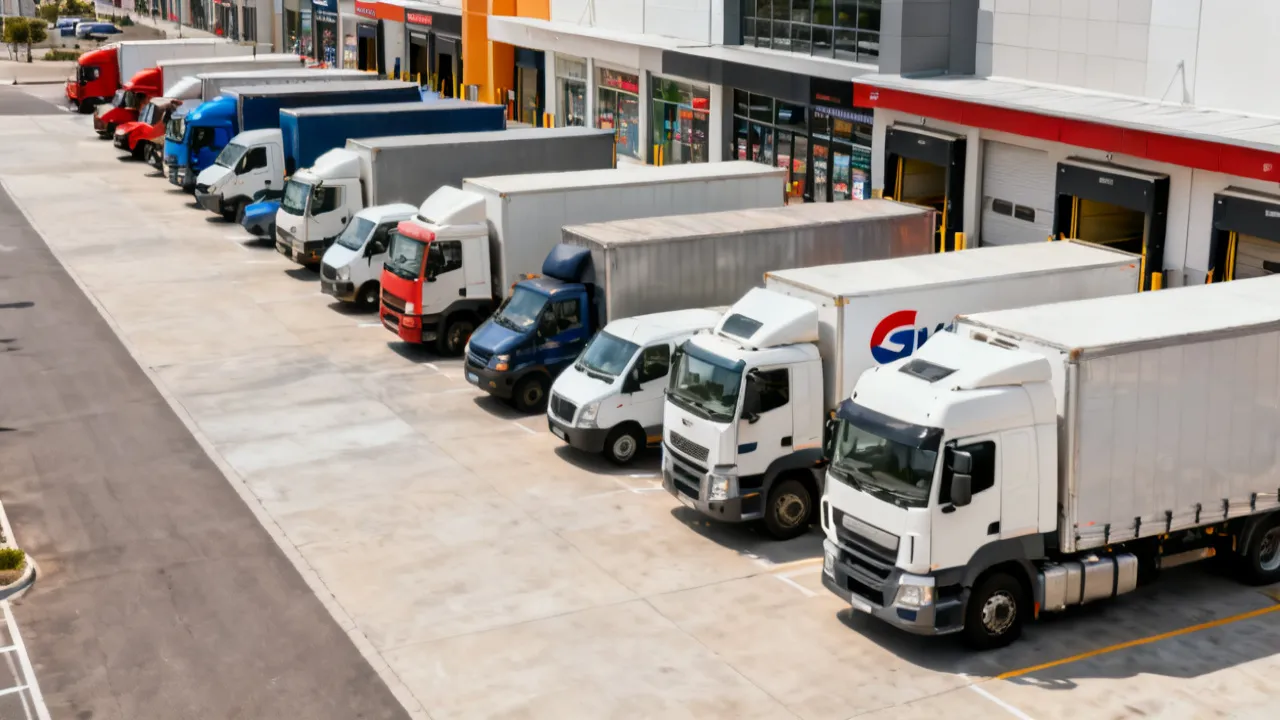
Unveiling Truck Fleets Near Me
Truck fleets near you are integral for logistics, providing critical services for transporting goods in a timely and efficient manner. They encompass a diverse range of vehicles, tailored to meet various business needs, and play a pivotal role in local and regional trade. Exploration of these fleets offers insights into efficiency, innovation, and professional practices within the trucking industry.

Managing Efficient Truck Fleets Nearby
Finding reliable truck fleets nearby is essential for industries reliant on transportation and logistics. Truck fleets play a crucial role in supply chain efficiency, maintaining delivery schedules and reducing costs. This article explores key considerations in selecting truck fleets, their economic impact, and how businesses can optimize their logistics using nearby services.

Understanding Truck Fleets Nearby
Exploring truck fleets near you offers insight into a complex logistics network vital for modern commerce. Truck fleets play a pivotal role in effectively transporting goods locally and globally, showcasing their indispensable presence in trade. Essential considerations include fleet management systems, regional challenges, and technological advancements reshaping this sector, prioritized to augment efficiency and sustainability in logistics.
Understanding Truck Fleets Nearby
Truck fleets near you consist of a variety of transportation vehicles managed by companies to ensure efficient logistics and supply chain operations. These fleets vary widely in size and capacity, from small local businesses to large multi-national logistics networks. The logistics industry heavily relies on these fleets for transporting goods efficiently across different regions, underlining their critical role in both urban and rural economies.

Navigating Truck Fleets Nearby
Discover the dynamics of truck fleets near you. Truck fleets play a crucial role in logistics, transportation, and the broader supply chain, moving goods efficiently and supporting regional economies. This article delves into the characteristics and benefits of local truck fleets, providing insights into their operations and contributions to the industry.
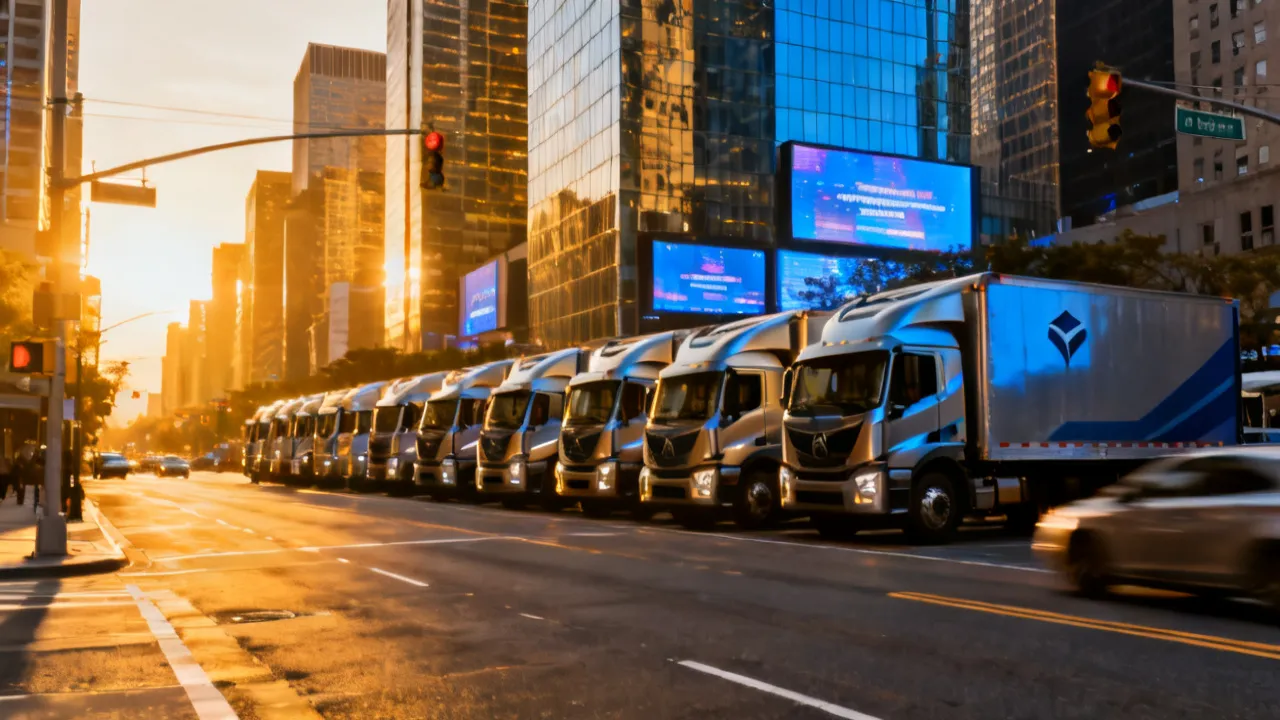
Navigating Truck Fleets Nearby
Discover the strategies and considerations when managing truck fleets nearby, crucial for businesses reliant on logistics and transportation. Truck fleets, essential in various industries, significantly impact operational efficiency and cost-effectiveness. This guide explores fleet management, local service offerings, and optimization tips, helping businesses maximize their transportation capabilities while staying competitive in their regions.
