Finding reliable truck fleets nearby is essential for industries reliant on transportation and logistics. Truck fleets play a crucial role in supply chain efficiency, maintaining delivery schedules and reducing costs. This article explores key considerations in selecting truck fleets, their economic impact, and how businesses can optimize their logistics using nearby services.

In today's fast-paced world, efficient transportation is a cornerstone of successful business operations. Whether it's manufacturing, retail, or service industries, having access to reliable "truck fleets near me" is imperative for smooth logistics. Truck fleets ensure timely delivery of goods while optimizing supply chain processes. They serve as the crucial link connecting suppliers, manufacturers, and consumers, facilitating the flow of products in a manner that keeps pace with the increasing demand for rapid service in the digital age. As e-commerce continues to thrive, the significance of an effective truck fleet cannot be overstated, as it directly impacts the bottom line of many businesses.
Truck fleets are the backbone of logistics and transportation. They assist businesses in maintaining flexibility and adaptability in their operations. A well-managed truck fleet can significantly reduce transportation costs, improve turnaround times, and enhance customer satisfaction by ensuring timely deliveries. The strategic importance of these fleets extends beyond mere delivery — they are instrumental in establishing competitive advantages, as businesses with efficient logistics can respond more quickly to market changes, tailor their offerings to specific regional demands, and ensure product availability at the right place and time. Furthermore, they play a critical role in supporting local economies by creating jobs and stimulating business growth through enhanced delivery capabilities.
Truck fleets are pivotal to the economy’s logistics framework. They enable the timely movement of goods across regions, thereby sustaining business activities and contributing to GDP. Efficient fleets help mitigate logistical bottlenecks and foster trade by connecting markets. A well-functioning trucking industry facilitates international trade, provides crucial support to local businesses, and creates a ripple effect that enhances economic development. Furthermore, studies have shown that for every job created in trucking, multiple other jobs emerge in fields such as logistics, manufacturing, and retail. Investing in fleet efficiency directly correlates with improved economic output, underscoring the critical role of trucking in the broader economic landscape.
Effective fleet management involves leveraging technology, implementing preventive maintenance, and fostering strong partnerships with reliable service providers. Training drivers for efficiency and safety, alongside employing data analytics for route planning, can optimize fleet performance. Strategies that have proven effective in fleet management include using key performance indicators (KPIs) to monitor performance, evaluating fuel consumption trends, and using automated systems to streamline fleet operations. By harnessing data from various sources, fleet managers can gain insights into operational inefficiencies, allowing for targeted improvements.
| Strategy | Benefits |
|---|---|
| Technology Integration | Enhances tracking, reduces fuel consumption, and improves route planning, allowing for greater operational efficiency. |
| Regular Maintenance | Minimizes breakdowns and extends vehicle lifespan, ensuring reliability over time. |
| Driver Training | Improves safety, efficiency, and compliance with road regulations, lowering risks of accidents. |
| Data Analytics | Provides insights into performance, helps in proactive decision-making, and drives continuous improvement. |
| Fuel Management | Optimizes fuel consumption, reducing costs and environmental impact. |
| Partnership Building | Cultivates relations with suppliers and service providers that can enhance operational efficiencies. |
The choice of "truck fleets near me" is a strategic decision that impacts business operations significantly. By considering key factors such as fleet reliability, maintenance practices, and technology integration, businesses can enhance their logistical efficiency and contribute to a robust supply chain network. Moreover, staying ahead of industry trends, investing in sustainable practices, and adopting innovative technologies will ensure that fleets remain competitive and capable of meeting the growing demands of the marketplace. In the long run, efficient fleet management not only drives operational success but also fosters sustainable economic growth in industries reliant on logistics and delivery services.
As we look toward the future, the truck fleet industry is on the brink of transformation. Innovations in technology, sustainability practices, and changing consumer preferences are reshaping the landscape in which trucking operates. Over the next decade, we can expect to see a greater emphasis on electric and hybrid trucks, driven by the increasing commitment to reducing carbon emissions and combating climate change. Many companies are already looking into electric vehicle (EV) options, as advancements in battery technology make these alternatives more viable for long-haul transport.
Furthermore, the integration of automation and autonomous driving technology is anticipated to revolutionize the trucking industry. While fully autonomous trucks might still be a work in progress, many fleets are already utilizing assisted driving features to enhance safety and efficiency. This progress presents opportunities for reducing labor costs while increasing operational capacity. However, widespread adoption will also necessitate addressing regulatory and safety concerns surrounding autonomous vehicle operations.
Another vital aspect of the future of truck fleets is the use of smart technology to increase operational efficiency. The Internet of Things (IoT) will play a significant role, allowing for real-time data collection from vehicles and cargo for enhanced tracking and efficiency. Integrating IoT devices can help fleet managers analyze patterns in fuel usage, vehicle performance, and driver behavior. This data facilitates informed decision-making and continuous improvement, ultimately driving productivity.
While the future holds promising advancements for the truck fleet sector, several challenges remain. Chief among these challenges is the ongoing driver shortage; attracting and retaining qualified drivers is an escalating issue that impacts fleets across the nation. In response, many trucking companies are revamping their hiring processes, offering competitive wages, and improving working conditions to lure new drivers into the profession. Additionally, the development of training programs aimed at easing the transition for new recruits can help address the skill gap.
Congestion and regulatory hurdles pose significant obstacles as well. Urban centers are grappling with rising traffic levels, leading to increased delivery times and fuel consumption. Policymakers must collaborate with trucking organizations to develop infrastructure solutions that alleviate traffic and enhance the efficiency of loading and unloading processes. Efforts such as dedicated delivery zones, off-peak delivery times, and enhanced logistics planning can help mitigate these challenges.
Finally, another pressing concern for truck fleets is compliance with environmental regulations. As many governments impose stricter emissions standards, fleets must adapt by investing in greener technologies. The shift towards environmentally friendly practices not only aligns with regulatory demands but also enhances corporate social responsibility and public perception among consumers, further influencing purchasing decisions.
As the trucking sector continues to evolve, networking and collaboration will be crucial in advancing industry goals. Participation in industry trade shows, conferences, and forums provides opportunities for stakeholders to share best practices, discuss innovative solutions, and explore partnerships. Collaborative initiatives between fleeters, technology providers, and government agencies will yield a more sustainable and efficient transportation network. Engaging with industry associations also offers fleets access to valuable resources, training programs, and advocacy efforts to shape legislative frameworks that support growth.
In summary, the trucking industry is undergoing significant changes that will shape its future landscape. Embracing technology, redefining logistics strategies, and enhancing driver retention efforts are paramount for fleets aiming to thrive in this transformative environment. By focusing on these aspects while addressing the existing challenges, truck fleets will be well-positioned to lead the charge toward a more efficient, effective, and sustainable future in transportation.
Vehicle Availability Guide for Car Buyers

Vehicle Availability Guide for Finding Cars on Sale

Understanding Vehicle Availability for Smarter Rentals

How to Evaluate Vehicle Availability Effectively

Understanding Vehicle Availability for Smarter Rentals

Understanding Vehicle Availability for Car Sales

Vehicle Availability Guide for Smarter Sourcing Decisions

Understanding Vehicle Availability for Smart Buying Decisions

Understanding Vehicle Availability for Smarter Rental Decisions

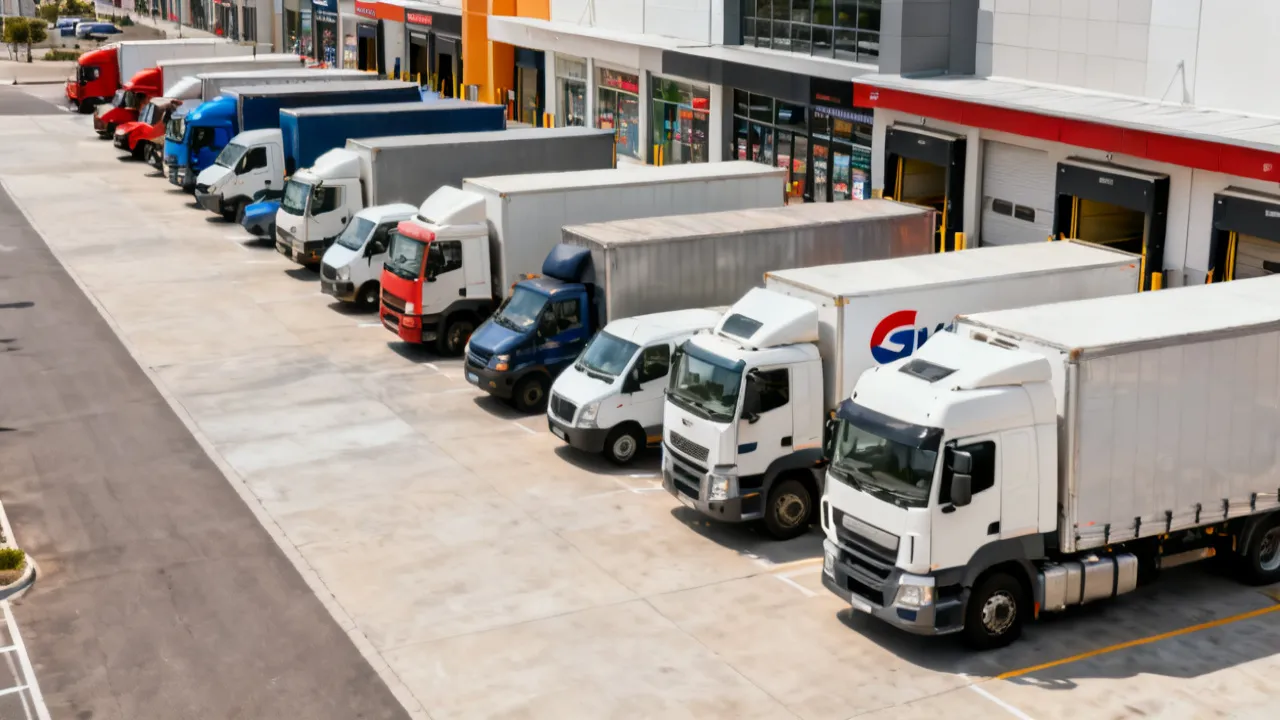
Unveiling Truck Fleets Near Me
Truck fleets near you are integral for logistics, providing critical services for transporting goods in a timely and efficient manner. They encompass a diverse range of vehicles, tailored to meet various business needs, and play a pivotal role in local and regional trade. Exploration of these fleets offers insights into efficiency, innovation, and professional practices within the trucking industry.
Managing Efficient Truck Fleets Nearby
Finding reliable truck fleets nearby is essential for industries reliant on transportation and logistics. Truck fleets play a crucial role in supply chain efficiency, maintaining delivery schedules and reducing costs. This article explores key considerations in selecting truck fleets, their economic impact, and how businesses can optimize their logistics using nearby services.

Understanding Truck Fleets Nearby
Exploring truck fleets near you offers insight into a complex logistics network vital for modern commerce. Truck fleets play a pivotal role in effectively transporting goods locally and globally, showcasing their indispensable presence in trade. Essential considerations include fleet management systems, regional challenges, and technological advancements reshaping this sector, prioritized to augment efficiency and sustainability in logistics.
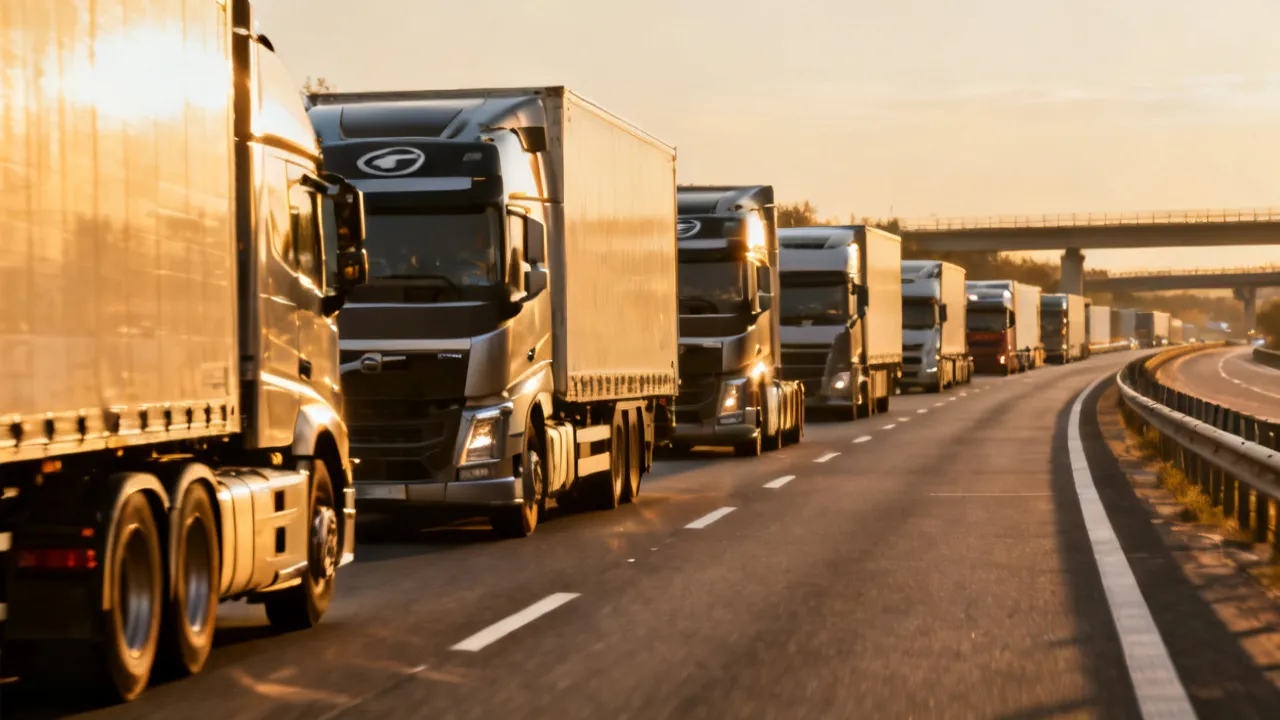
Understanding Truck Fleets Nearby
Truck fleets near you consist of a variety of transportation vehicles managed by companies to ensure efficient logistics and supply chain operations. These fleets vary widely in size and capacity, from small local businesses to large multi-national logistics networks. The logistics industry heavily relies on these fleets for transporting goods efficiently across different regions, underlining their critical role in both urban and rural economies.
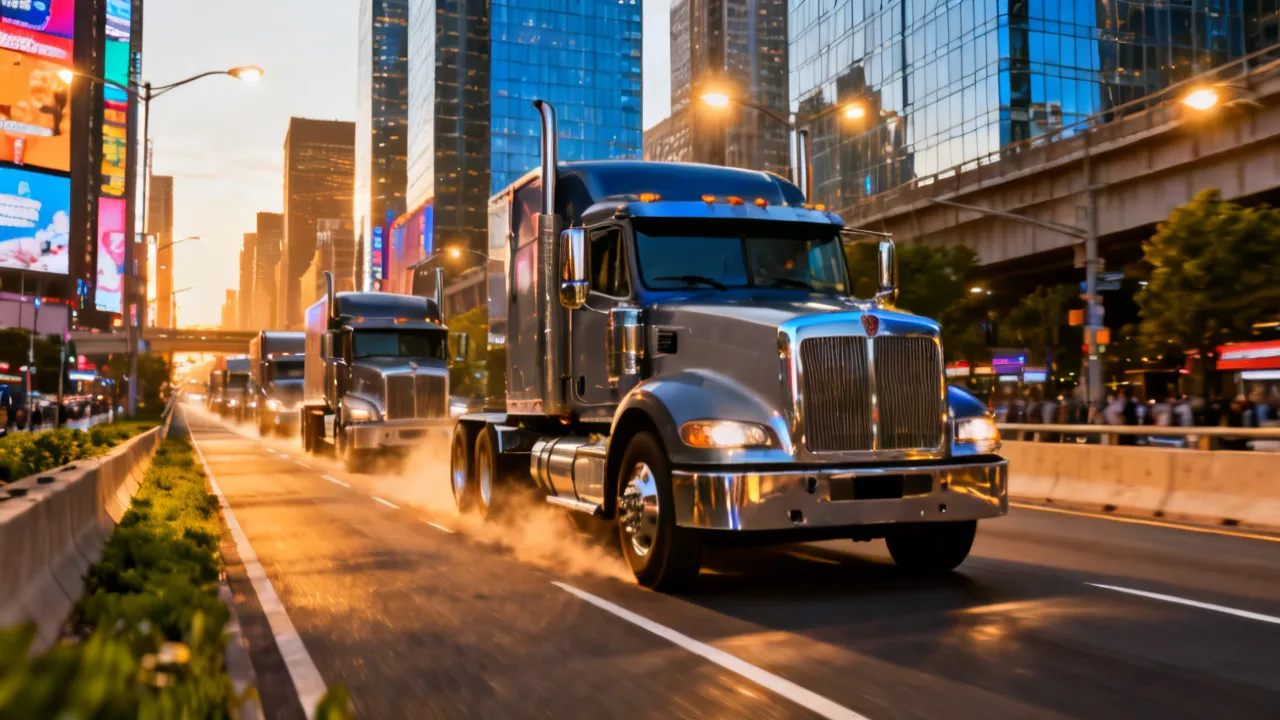
Navigating Truck Fleets Nearby
Discover the dynamics of truck fleets near you. Truck fleets play a crucial role in logistics, transportation, and the broader supply chain, moving goods efficiently and supporting regional economies. This article delves into the characteristics and benefits of local truck fleets, providing insights into their operations and contributions to the industry.
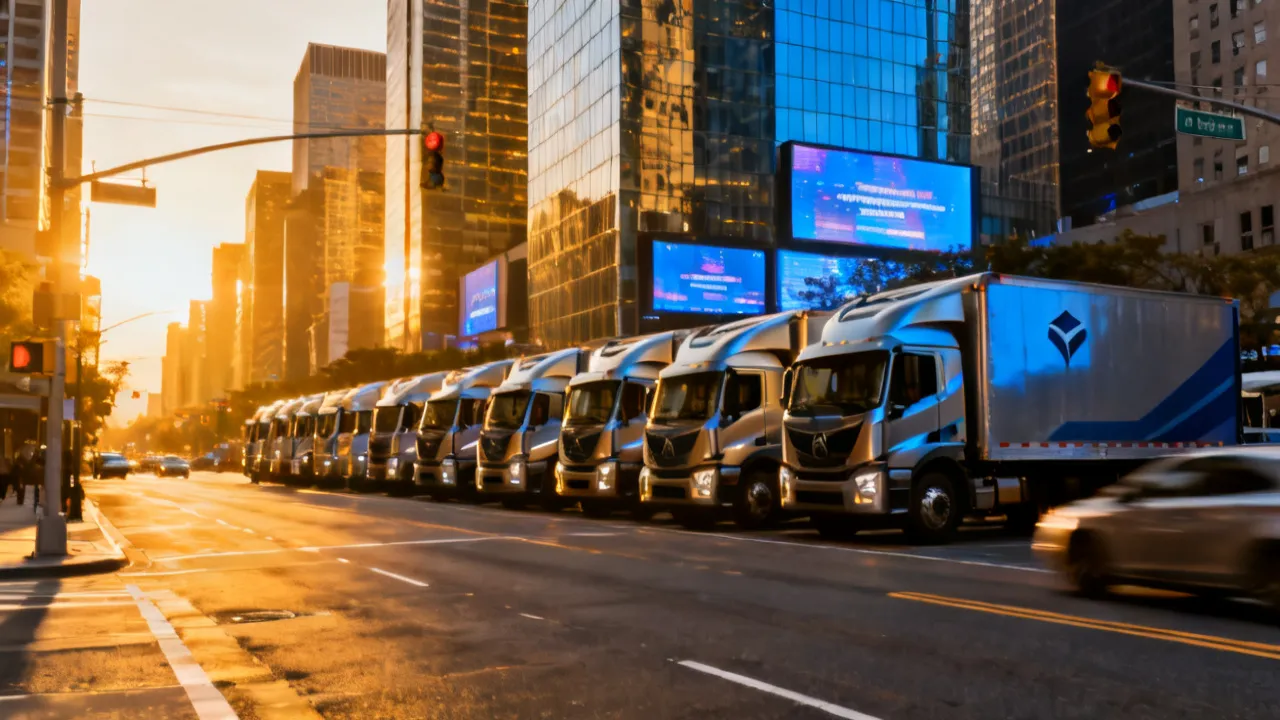
Navigating Truck Fleets Nearby
Discover the strategies and considerations when managing truck fleets nearby, crucial for businesses reliant on logistics and transportation. Truck fleets, essential in various industries, significantly impact operational efficiency and cost-effectiveness. This guide explores fleet management, local service offerings, and optimization tips, helping businesses maximize their transportation capabilities while staying competitive in their regions.
