Discover the dynamics of truck fleets near you. Truck fleets play a crucial role in logistics, transportation, and the broader supply chain, moving goods efficiently and supporting regional economies. This article delves into the characteristics and benefits of local truck fleets, providing insights into their operations and contributions to the industry.
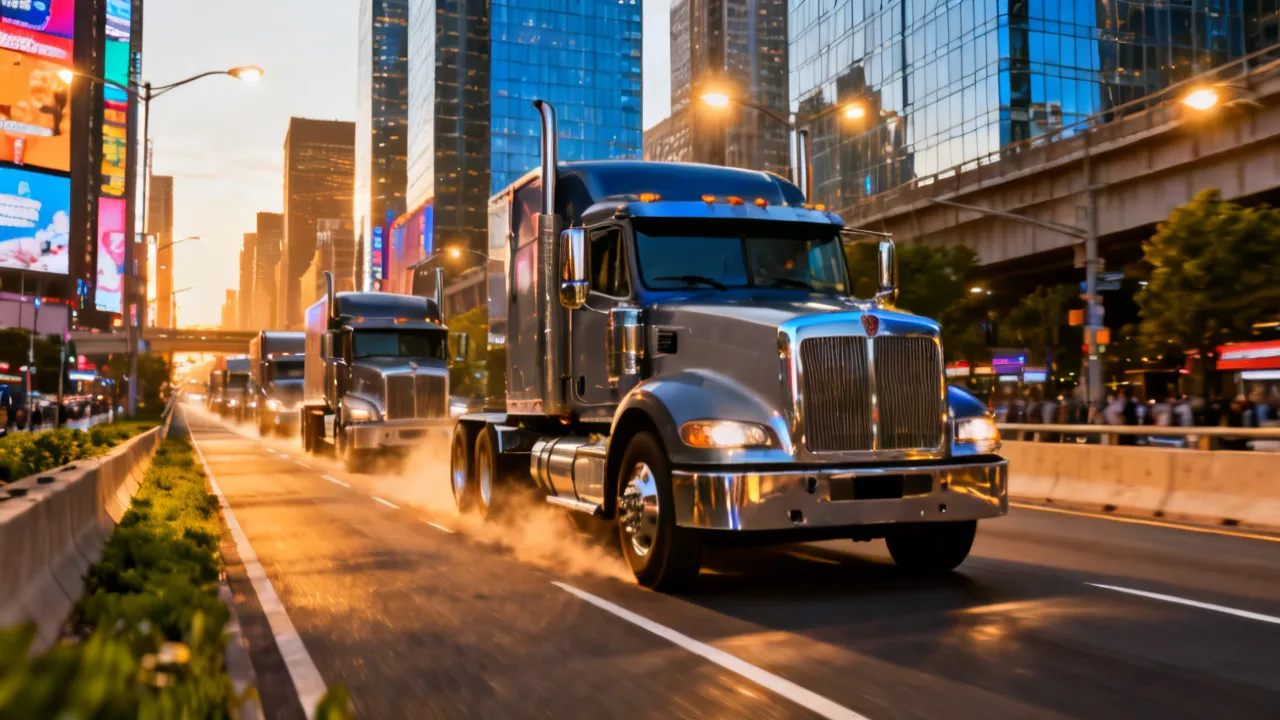
The trucking industry is an essential pillar supporting the movement of goods, contributing significantly to the local and global economy. Truck fleets near you, whether small or extensive, are vital components in facilitating efficient logistics solutions. These fleets, comprised of various types of trucks, aid in transporting goods across different terrains and distances, thus energizing regional economies. The significance of local truck fleets extends beyond mere logistics; they play a crucial role in connecting communities, supporting local businesses, and providing jobs to many individuals within the vicinity.
Truck fleets in your vicinity often vary in size, type, and specialization. These fleets consist of light-duty vehicles for urban logistics, medium-duty trucks for regional operations, and heavy-duty trucks for long-haul transportation. The fleet's size and composition influence operational capabilities, including route planning, delivery schedules, and freight capacity. Understanding the different types of trucks in your local fleet is important for businesses and consumers alike. This knowledge allows companies to choose the right logistics partners based on their specific needs and enhances consumers' expectations about delivery times and goods handling.
Effective management of truck fleets involves strategic coordination of vehicles, drivers, and routes to ensure timely delivery and cost efficiency. Integration of GPS and telematics systems allows for real-time tracking of vehicles, optimizing routes and schedules based on traffic conditions. This technology not only improves efficiency but also enhances customer satisfaction by providing timely updates on delivery status. Additionally, an emphasis on driver safety and environmental considerations forms a part of modern fleet management strategies. Management teams work tirelessly to maintain vehicles, provide ongoing training for drivers, and ensure compliance with safety regulations, all of which are essential for maintaining a reliable fleet.
Furthermore, the management of these fleets requires a deep understanding of supply chain dynamics. Companies operate under tight deadlines and must respond quickly to changes in demand, which is a significant aspect of logistical operations. For instance, during seasonal spikes, such as holiday shopping or agricultural harvests, fleets must be agile enough to scale their operations, ensuring that goods are delivered promptly. This responsiveness often entails strategic partnerships with local businesses, enhancing collaborative logistics solutions to meet fluctuating demands more effectively. Additionally, fleet operators often engage in proactive maintenance schedules to prevent breakdowns, thus ensuring operational continuity and reliability.
Local truck fleets provide several advantages that contribute to regional economic vitality and environmental sustainability:
The industry faces several challenges, including rising fuel costs, driver shortages, and stringent regulations. Addressing these issues requires innovative solutions such as alternative fuel vehicles and enhanced recruitment strategies for new drivers. The ongoing driver shortage is particularly alarming; many fleets struggle to attract and retain qualified personnel due to competitive wages and the demanding nature of long-haul routes. To combat this, many companies implement training programs and incentives geared toward younger drivers, as well as invest in creating a positive work culture to foster loyalty.
Additionally, regulations regarding emissions and safety standards are an ever-evolving aspect of the trucking industry, necessitating constant adjustments to comply with new laws. Many operators face the challenge of balancing operational costs while investing in newer technologies and training to adhere to these regulations, making it essential for fleet managers to stay informed about legislative changes and industry best practices.
Moreover, the rise of e-commerce has put further pressure on trucking fleets to enhance their capabilities and provide quicker deliveries. This shift not only heightens the competition among carriers but also requires adaptation to consumer expectations for transparency and tracking, placing even more demands on logistics and fleet management capabilities.
The evolution of technology, particularly in automation and AI, is set to revolutionize truck fleet operations. Automated trucks promise improved safety and efficiency, while AI-driven data analytics can offer better route optimization and predictive maintenance. These advancements are expected to further strengthen the reliability and cost-effectiveness of truck fleets, allowing them to respond swiftly to changing market demands.
Furthermore, the growing emphasis on sustainability is pushing companies to adopt greener practices. This includes implementing fleet management systems that optimize fuel usage through better routing and driver behavior training, as well as investing in electric and alternative fuel vehicles. Companies are beginning to realize that cost savings from improved fuel efficiency and reduced environmental impact can be powerful drivers of business success. Collaborations between manufacturers, technology providers, and logistics companies are also paving the way for innovations that enhance the integration of sustainable practices into everyday operations.
Moreover, as customer expectations evolve, the development of "last-mile delivery" solutions is gaining traction. Local truck fleets must find innovative ways to meet the demand for quick and efficient delivery to the consumer's doorstep. This could involve leveraging smaller vehicles in urban areas, crowdsourced delivery solutions, or strategic warehousing practices to bring goods closer to consumers enhance overall delivery efficiency.
| Type | Range | Payload | Purpose |
|---|---|---|---|
| Light-Duty | Short distance | Low | Urban delivery |
| Medium-Duty | Moderate distance | Moderate | Regional distribution |
| Heavy-Duty | Long distance | High | Interstate/long haul |
Optimizing the utilization of truck fleets is crucial for maximizing efficiency and profitability. A well-optimized fleet can effectively minimize operational costs while maximizing service levels to customers. Companies often utilize software solutions that include fleet management systems, which help analyze data related to fleet performance, enabling managers to make informed decisions on routing, maintenance scheduling, and driver management.
Regular analysis of vehicle data can uncover insights about performance efficiencies or inefficiencies, such as fuel consumption rates and maintenance needs, ultimately allowing for cost savings. This approach can identify trends that may suggest when vehicles require servicing or upgrading to newer models for improving overall fleet performance. Many firms also explore the concept of "right-sizing" their fleets, aligning the number and type of vehicles with current demand patterns to ensure optimal performance.
What constitutes a truck fleet? Truck fleets are collections of trucks managed by a single company or entity for transporting goods. These fleets can vary in size from a single vehicle to hundreds depending on the operational demands of the parent business.
How do truck fleets improve delivery efficiency? By employing technology like GPS and telematics, fleets can optimize routes and manage time effectively, allowing for prompt and reliable delivery services that adapt to traffic and weather conditions.
Are there eco-friendly options in truck fleets? Yes, many fleets are adopting electric and hybrid trucks to reduce environmental impacts, aligning their operations with sustainable practices aimed at reducing greenhouse gas emissions associated with traditional diesel vehicles.
What are the main challenges faced by truck fleets? Key challenges include managing rising fuel costs, driver shortages, and meeting regulatory requirements, which necessitate ongoing attention to operational efficiency, workforce development, and compliance measures.
How is technology changing the trucking industry? Technology is enhancing the trucking industry by introducing automation, improving tracking and fleet management systems, and fostering innovations in driving safety and fuel efficiency. These advancements collectively work towards enhancing the reliability and cost-effectiveness of trucking operations.
In conclusion, truck fleets near you play a pivotal role in ensuring the smooth flow of goods and services, contributing to the local economy and adapting to future technological trends to maintain operational efficiency and sustainability. Their continued evolution is essential for fulfilling the increasing demands imposed by modern commerce and meeting the expectations of a growing consumer base. The symbiotic relationship between local truck fleets and the communities they serve is vital, fostering economic activity, enhancing job opportunities, and playing a critical part in the interconnected logistics chain that underpins our daily lives.
Vehicle Availability Guide for Car Buyers

Vehicle Availability Guide for Finding Cars on Sale

Understanding Vehicle Availability for Smarter Rentals

How to Evaluate Vehicle Availability Effectively

Understanding Vehicle Availability for Smarter Rentals

Understanding Vehicle Availability for Car Sales

Vehicle Availability Guide for Smarter Sourcing Decisions

Understanding Vehicle Availability for Smart Buying Decisions

Understanding Vehicle Availability for Smarter Rental Decisions

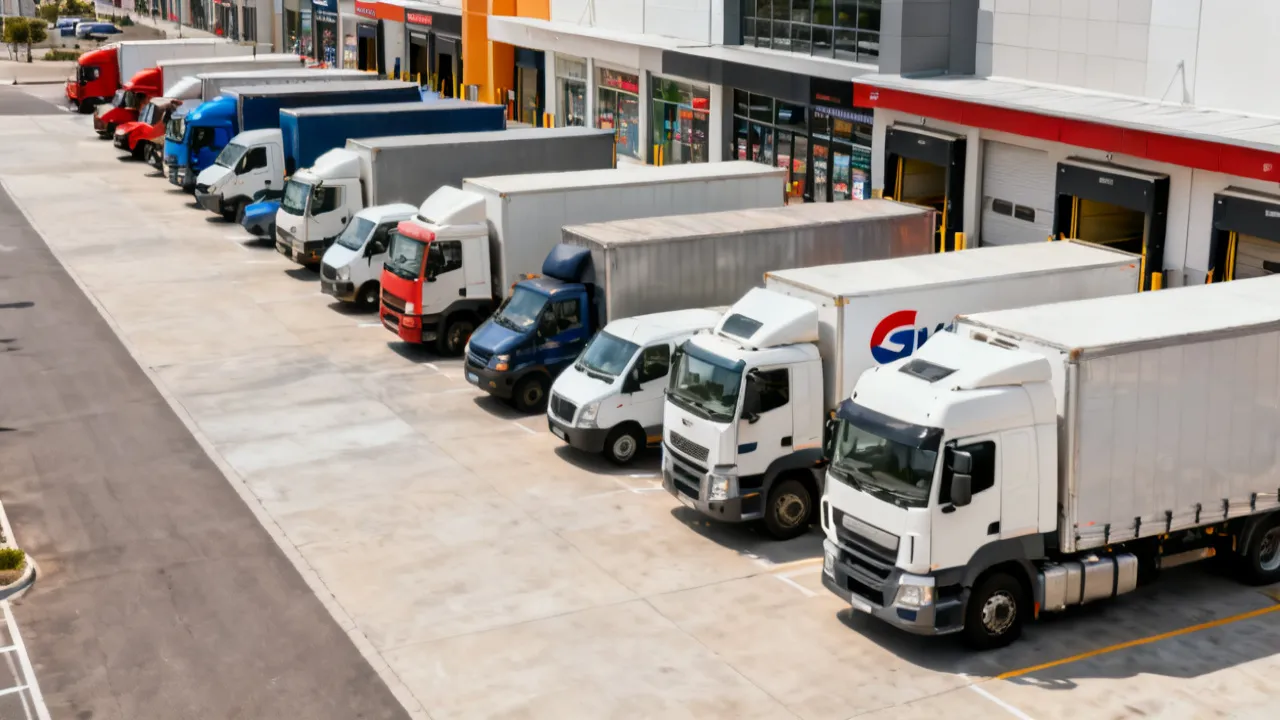
Unveiling Truck Fleets Near Me
Truck fleets near you are integral for logistics, providing critical services for transporting goods in a timely and efficient manner. They encompass a diverse range of vehicles, tailored to meet various business needs, and play a pivotal role in local and regional trade. Exploration of these fleets offers insights into efficiency, innovation, and professional practices within the trucking industry.

Managing Efficient Truck Fleets Nearby
Finding reliable truck fleets nearby is essential for industries reliant on transportation and logistics. Truck fleets play a crucial role in supply chain efficiency, maintaining delivery schedules and reducing costs. This article explores key considerations in selecting truck fleets, their economic impact, and how businesses can optimize their logistics using nearby services.
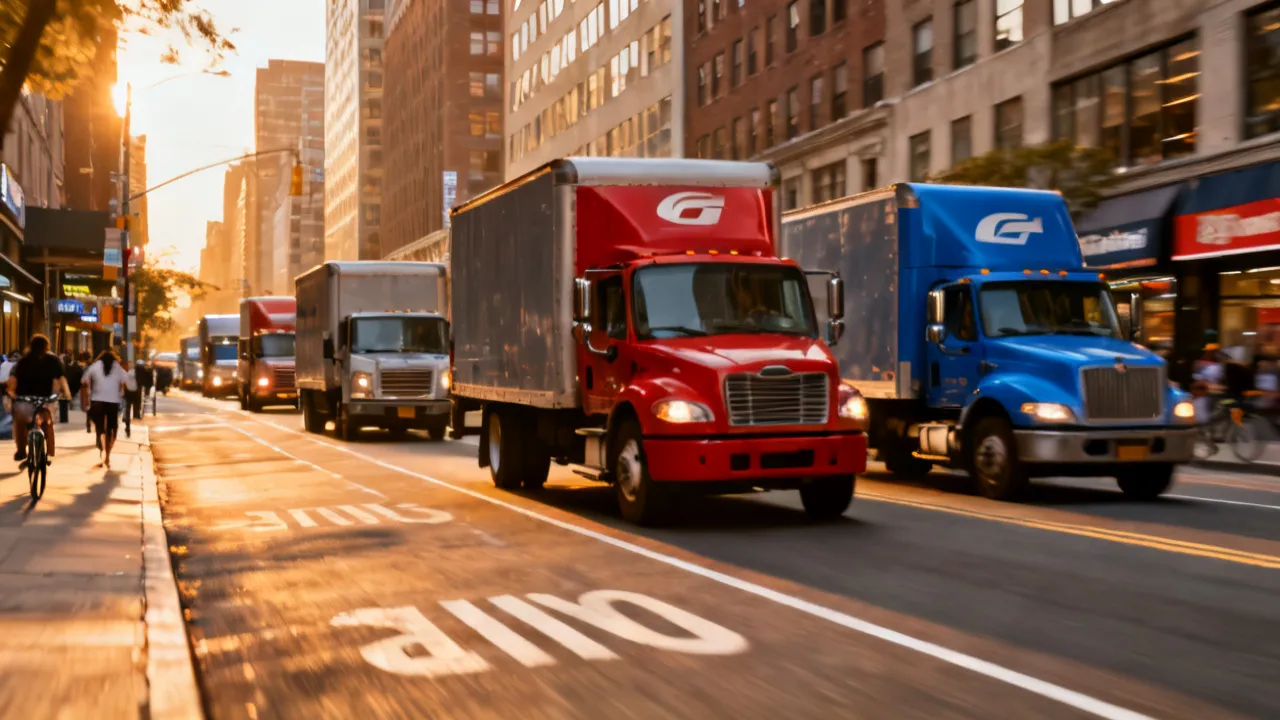
Understanding Truck Fleets Nearby
Exploring truck fleets near you offers insight into a complex logistics network vital for modern commerce. Truck fleets play a pivotal role in effectively transporting goods locally and globally, showcasing their indispensable presence in trade. Essential considerations include fleet management systems, regional challenges, and technological advancements reshaping this sector, prioritized to augment efficiency and sustainability in logistics.
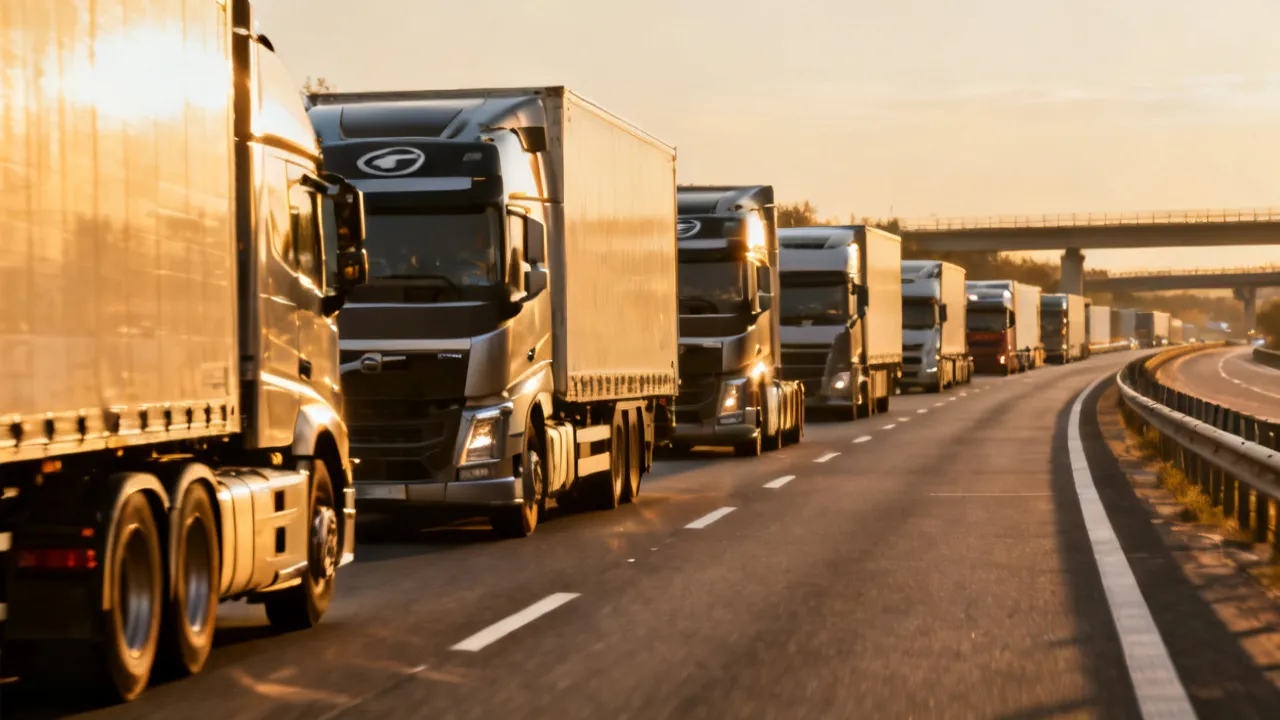
Understanding Truck Fleets Nearby
Truck fleets near you consist of a variety of transportation vehicles managed by companies to ensure efficient logistics and supply chain operations. These fleets vary widely in size and capacity, from small local businesses to large multi-national logistics networks. The logistics industry heavily relies on these fleets for transporting goods efficiently across different regions, underlining their critical role in both urban and rural economies.
Navigating Truck Fleets Nearby
Discover the dynamics of truck fleets near you. Truck fleets play a crucial role in logistics, transportation, and the broader supply chain, moving goods efficiently and supporting regional economies. This article delves into the characteristics and benefits of local truck fleets, providing insights into their operations and contributions to the industry.
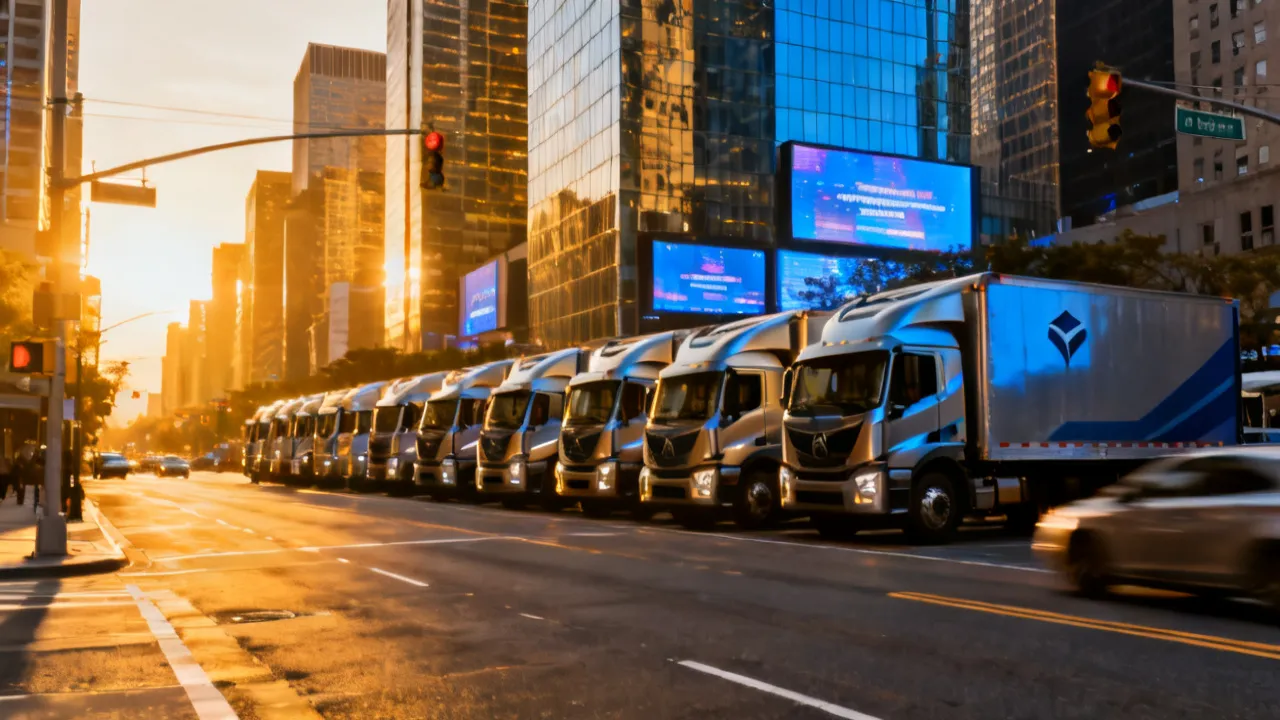
Navigating Truck Fleets Nearby
Discover the strategies and considerations when managing truck fleets nearby, crucial for businesses reliant on logistics and transportation. Truck fleets, essential in various industries, significantly impact operational efficiency and cost-effectiveness. This guide explores fleet management, local service offerings, and optimization tips, helping businesses maximize their transportation capabilities while staying competitive in their regions.
