Discover the strategies and considerations when managing truck fleets nearby, crucial for businesses reliant on logistics and transportation. Truck fleets, essential in various industries, significantly impact operational efficiency and cost-effectiveness. This guide explores fleet management, local service offerings, and optimization tips, helping businesses maximize their transportation capabilities while staying competitive in their regions.
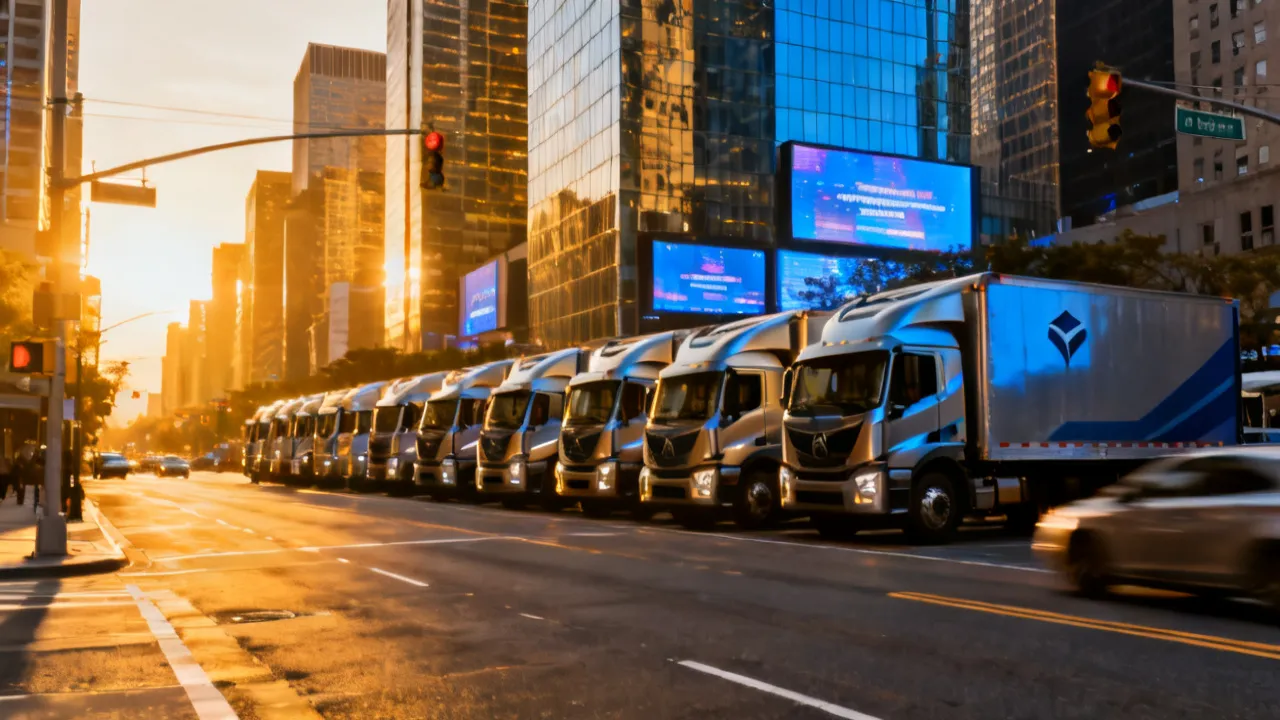
Truck fleets form the backbone of many industries, facilitating the movement of goods and materials across various distances. Whether a small business or a large corporation, effectively managing a fleet of trucks nearby is essential for optimizing logistics operations. Given the geographical spread and specific needs of different regions, businesses must adapt their strategies to local conditions while maintaining efficiency and cost-effectiveness. Fleet management goes beyond merely overseeing the trucks and includes addressing the associated costs, understanding regulations, and leveraging modern technology.
Managing truck fleets nearby requires an understanding of local traffic patterns, regulations, and customer demands. Localized fleet management ensures that businesses can anticipate and respond to challenges unique to their operational region. For instance, companies operating in urban areas might face different logistical hurdles, such as congestion and parking constraints, compared to those in rural settings. Urban management might need more sophisticated routing capabilities due to frequent road blocks and the need for timely deliveries in densely populated areas.
Additionally, understanding local environmental policies can help businesses align their fleets with sustainable practices. Many cities have specific regulations regarding emissions and sustainability, pushing businesses to explore greener options such as electric or hybrid vehicles. Compliance not only mitigates legal risks but also enhances a company’s public image as a socially responsible entity.
Moreover, localized management facilitates better relationships with local suppliers and customers. Companies operating fleets can respond quickly to any local demand fluctuations or supply issues that arise, ensuring they meet customer expectations effectively. This adaptability is crucial in retaining competitiveness in a fast-paced market.
When exploring options for truck fleets nearby, businesses should consider the variety of services available. From vehicle maintenance to route optimization software, suppliers offer solutions tailored to the specific needs of different fleets. It’s essential to understand that fleet management is not a one-size-fits-all solution; thus, considering unique operational requirements is vital for selecting the right service providers.
Factors such as fuel efficiency, vehicle maintenance schedules, and driver training programs play a critical role in sustaining fleet performance. Companies might also look for services that provide comprehensive telematics solutions, which track not only vehicle location but also driver behavior, fuel consumption, and maintenance needs. Regular vehicle assessments can help pinpoint performance inefficiencies and proactively address them, enhancing overall operational efficacy.
Furthermore, businesses should not overlook the importance of software that aids in route optimization. Advanced routing algorithms can streamline paths based on real-time traffic data, leading to reduced fuel consumption and improved delivery timelines. Companies can also adopt freight management systems that facilitate easier tracking of loads, ensuring timely pick-up and delivery while enhancing customer service.
The choice of vehicles in the fleet itself will also vary based on the goods transported. Refrigerated trucks may be necessary for perishables, while flatbed trucks may serve construction material enterprises. Deciding on the fleet composition based on warehouse proximity, delivery times, and product types will ensure that the services provided meet market demand effectively.
| Strategy | Description | Benefits |
|---|---|---|
| Preventive Maintenance | Regularly scheduled maintenance checks and repairs. | Reduces downtime and repair costs, enhances safety. |
| Telematics Systems | Technology to monitor vehicle diagnostics and driver behavior. | Improves efficiency, reduces fuel costs, enhances route planning. |
| Driver Training | Comprehensive programs to enhance driver skills and safety. | Promotes safer driving, reduces accidents, encourages fuel-efficient practices. |
| Fleet Telematics | Integration of hardware and software to track fleet performance and condition. | Provides insight into vehicle usage patterns, maintenance needs, and driver behavior. |
| Fuel Management Systems | Analysis and tracking of fuel consumption across the fleet. | Identifies fuel theft, enhances budget forecasting, promotes efficient driving habits. |
| GPS Tracking | Real-time monitoring of vehicle locations during transit. | Improves delivery accuracy, enhances customer service, minimizes lost vehicles. |
Despite advancements in technology and practices, managing a truck fleet still presents numerous challenges. One of the most pressing issues is the rising cost of fuel, which can significantly affect operational budgets. Fluctuations in fuel prices necessitate a proactive approach to fuel management, including investing in fuel-efficient vehicles and employing route optimization techniques.
Another significant challenge includes compliance with regulations that vary by region. From safety standards to emission regulations, fleet managers must stay updated with local laws to avoid hefty fines or operational disruptions. This challenge is exacerbated in companies that operate across multiple states or countries, where regulatory requirements can differ dramatically.
Moreover, managing driver turnover is a persistent issue within the industry. High turnover rates lead to increased costs related to recruitment, training, and lost productivity. Creating a positive workplace culture and offering competitive compensation packages can help retain quality drivers, but it requires a concerted effort to address their needs and concerns effectively.
Technological changes can also pose challenges, with the integration of advanced software systems often requiring upfront investments and training. The commitment to continual training in new systems or technologies is crucial, as is transitioning employees into roles that may be impacted by automation.
The landscape of fleet management is consistently evolving, with technological advancements paving the way for more efficient operations. One notable innovation is the rise of artificial intelligence (AI) and machine learning algorithms that facilitate predictive maintenance. These technologies analyze historical data to predict when a vehicle requires maintenance, allowing operators to address issues before they escalate.
Moreover, the growth of electric and autonomous vehicles is set to revolutionize the industry. Electric trucks are not only environmentally friendly but can also reduce operating costs significantly over time. Many companies are beginning to incorporate electric vehicles into their fleets, assisting in the move toward sustainability while capitalizing on long-term savings.
Autonomous driving technology offers the promise of reducing labor costs and increasing safety on the roads. Companies are investing in technologies that assist drivers or, in some cases, eliminate the need for human drivers altogether, which can also address driver shortage challenges in the industry.
Blockchain technology is another area with potential applications in fleet management, particularly regarding supply chain transparency. By employing blockchain, businesses can secure transactions and enhance the traceability of goods, strengthening trust with partners and customers alike. This can lead to enhanced reliability and accountability in logistics.
Consider the range of services offered, the technology in use, cost structure, and the provider's reputation. Additionally, compatibility with local operational needs and environmental policies is essential. It’s also crucial to evaluate customer service responsiveness and support for future growth and scaling needs as your business evolves.
Telematics enhances real-time tracking, provides insightful data on vehicle performance, and helps optimize routes. This reduces costs and improves efficiency, ultimately leading to better service delivery. The ability to analyze data trends can also assist managers in making informed decisions that improve overall fleet operations and driver performance.
Preventive maintenance is critical in minimizing unexpected downtime, extending vehicle lifespan, and ensuring safety. It involves routine inspections and timely repairs, leading to sustained operational efficiency. Implementing a robust preventive maintenance schedule can also reduce the risk of costly repairs and improve fleet reliability.
Rising fuel prices can dramatically impact a company's bottom line. Costs can skyrocket, affecting pricing strategies and profit margins. To mitigate this, fleet managers can implement various strategies, such as optimizing routes to minimize travel distances, training drivers in fuel-efficient driving techniques, and investing in fuel management programs that monitor and control fuel consumption. Transitioning to fuel-efficient vehicles or alternative energy options, like electric trucks, may also serve as a long-term solution.
Electric vehicles offer numerous advantages, including lower operating costs due to reduced fuel expenses and lower maintenance requirements. They are also more environmentally friendly, helping businesses meet sustainability targets and improve their public image. Furthermore, with various governmental incentives available for those who adopt electric fleets, initial investments may be offset, leading to long-term savings.
In the dynamic landscape of logistics and transportation, effectively managing truck fleets nearby is vital for businesses aiming to maintain a competitive edge. By adopting strategic fleet management practices and leveraging local services, companies can enhance their operational efficacy, reduce costs, and ensure timely delivery of goods. Investing in advanced technologies and continuous driver training further augments these efforts, setting the stage for success and sustainability in the industry. The careful consideration of fleet services, management strategies, and technological advancements is not just beneficial but essential for thriving in today’s market. Whether integrating new technologies or refining existing practices, the key to success lies in a proactive, informed approach to fleet management.
As we look toward the future, several emerging trends in fleet management are likely to shape the industry. First, the continued rise of digital platforms will enhance the way fleet managers monitor and manage their vehicles. Cloud-based systems that allow for seamless data sharing and integration across fleets will become the norm, fostering enhanced collaboration between teams and better overall visibility of fleet operations.
Additionally, as consumers demand quicker delivery times and personalized service, fleets will need to adapt by employing last-mile delivery solutions. Companies are exploring innovative approaches, such as micro-fulfillment centers and drone deliveries, to enhance their logistics capabilities and meet evolving customer expectations.
Another promising trend is the focus on sustainability. As climate change continues to be a pressing global issue, regulatory pressures and consumer demand for eco-friendly practices will only increase. Fleet managers that prioritize sustainable practices, such as using alternative fuels, optimizing routes for emissions reduction, and implementing recycling initiatives, will be well-positioned to lead their industries.
The intersection of big data analytics and artificial intelligence is set to further revolutionize fleet management. Data-driven decision-making will enable managers to assess every aspect of fleet performance, from fuel consumption patterns to maintenance needs, allowing for more strategic, informed decision-making. These advancements will ultimately lead to greater efficiency and reduced costs across operations.
To illustrate the principles discussed, consider the case of a logistics company that modernized its fleet management approach. Faced with high operational costs and inefficiencies, the company sought to leverage technology to improve its performance. By implementing a comprehensive telematics system, they tracked vehicle locations, monitored driving behavior, and managed fuel consumption.
The introduction of these technologies allowed the company to analyze data trends and adjust routes dynamically, reducing delivery times and lowering fuel costs by 15%. Additionally, a rigorous preventive maintenance schedule was established, which slashed vehicle breakdowns by half, thereby improving on-time delivery rates significantly.
Furthermore, the company invested in training its drivers on best practices for fuel-efficient driving. This initiative not only enhanced safety but also helped reduce fuel expenses further. As a result of these strategic changes, the logistics company experienced a substantial increase in profitability, demonstrating the tangible benefits of effective fleet management practices.
This case highlights the importance of an integrated approach, combining technology, training, and proactive operational strategies to achieve optimal results. As businesses continue to navigate the evolving landscape of fleet management, embracing innovation and continuous improvement will remain at the forefront of successful operations.
Vehicle Availability Guide for Car Buyers

Vehicle Availability Guide for Finding Cars on Sale

Understanding Vehicle Availability for Smarter Rentals

How to Evaluate Vehicle Availability Effectively

Understanding Vehicle Availability for Smarter Rentals

Understanding Vehicle Availability for Car Sales

Vehicle Availability Guide for Smarter Sourcing Decisions

Understanding Vehicle Availability for Smart Buying Decisions

Understanding Vehicle Availability for Smarter Rental Decisions

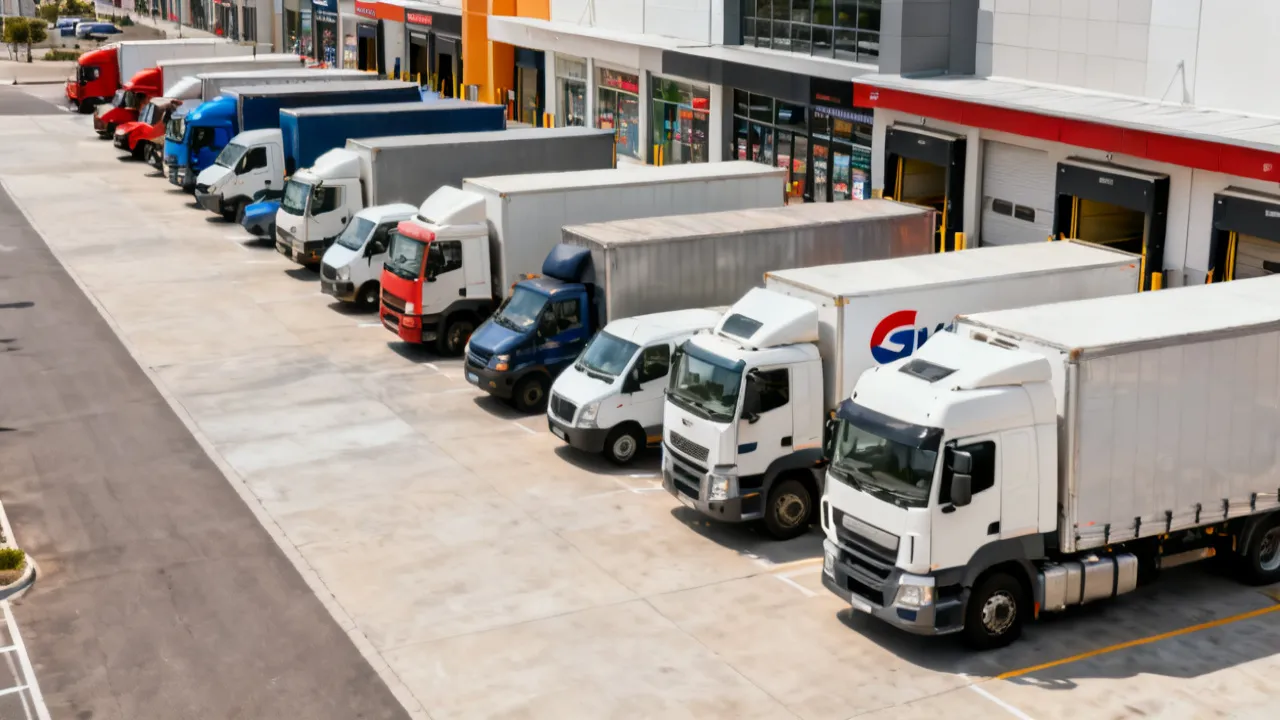
Unveiling Truck Fleets Near Me
Truck fleets near you are integral for logistics, providing critical services for transporting goods in a timely and efficient manner. They encompass a diverse range of vehicles, tailored to meet various business needs, and play a pivotal role in local and regional trade. Exploration of these fleets offers insights into efficiency, innovation, and professional practices within the trucking industry.

Managing Efficient Truck Fleets Nearby
Finding reliable truck fleets nearby is essential for industries reliant on transportation and logistics. Truck fleets play a crucial role in supply chain efficiency, maintaining delivery schedules and reducing costs. This article explores key considerations in selecting truck fleets, their economic impact, and how businesses can optimize their logistics using nearby services.
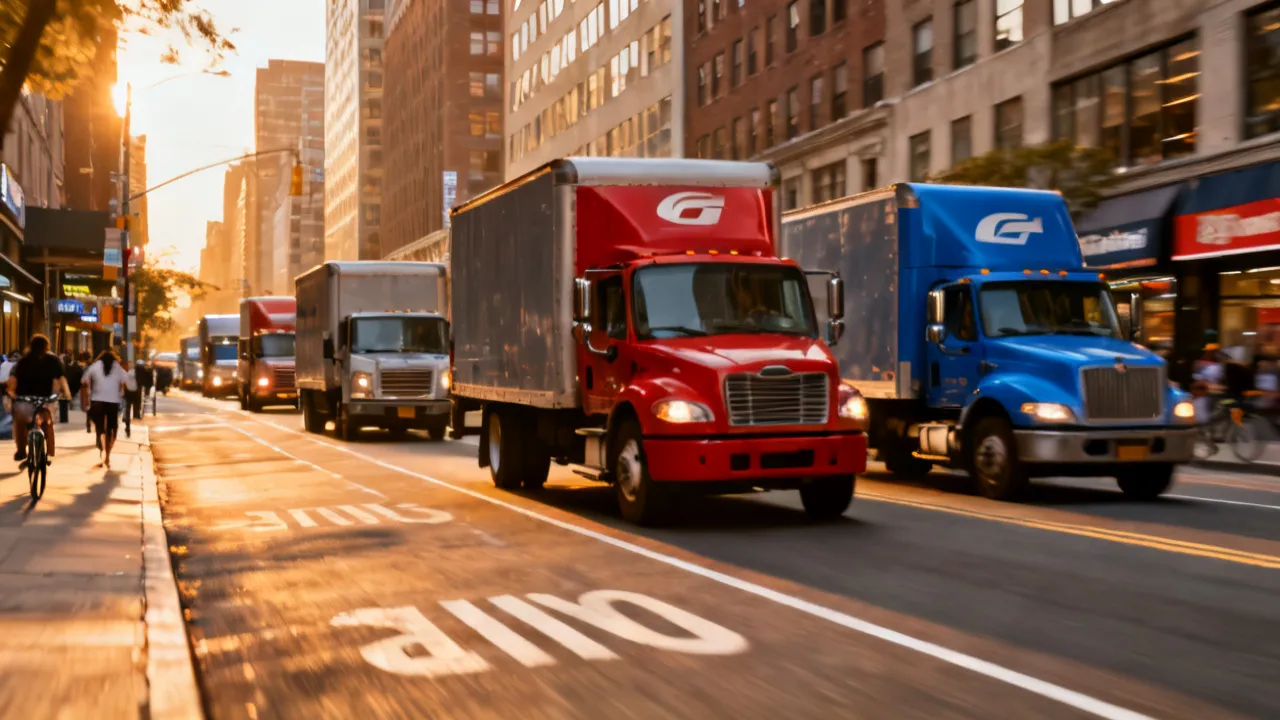
Understanding Truck Fleets Nearby
Exploring truck fleets near you offers insight into a complex logistics network vital for modern commerce. Truck fleets play a pivotal role in effectively transporting goods locally and globally, showcasing their indispensable presence in trade. Essential considerations include fleet management systems, regional challenges, and technological advancements reshaping this sector, prioritized to augment efficiency and sustainability in logistics.
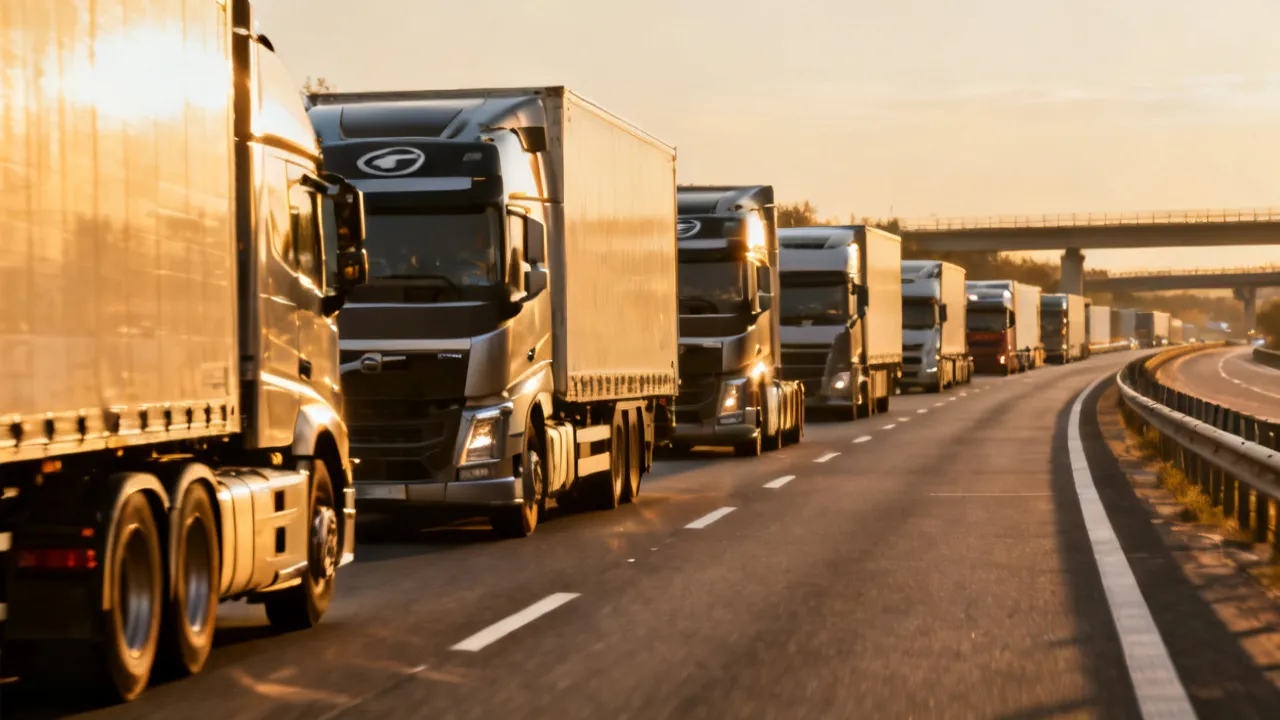
Understanding Truck Fleets Nearby
Truck fleets near you consist of a variety of transportation vehicles managed by companies to ensure efficient logistics and supply chain operations. These fleets vary widely in size and capacity, from small local businesses to large multi-national logistics networks. The logistics industry heavily relies on these fleets for transporting goods efficiently across different regions, underlining their critical role in both urban and rural economies.
Navigating Truck Fleets Nearby
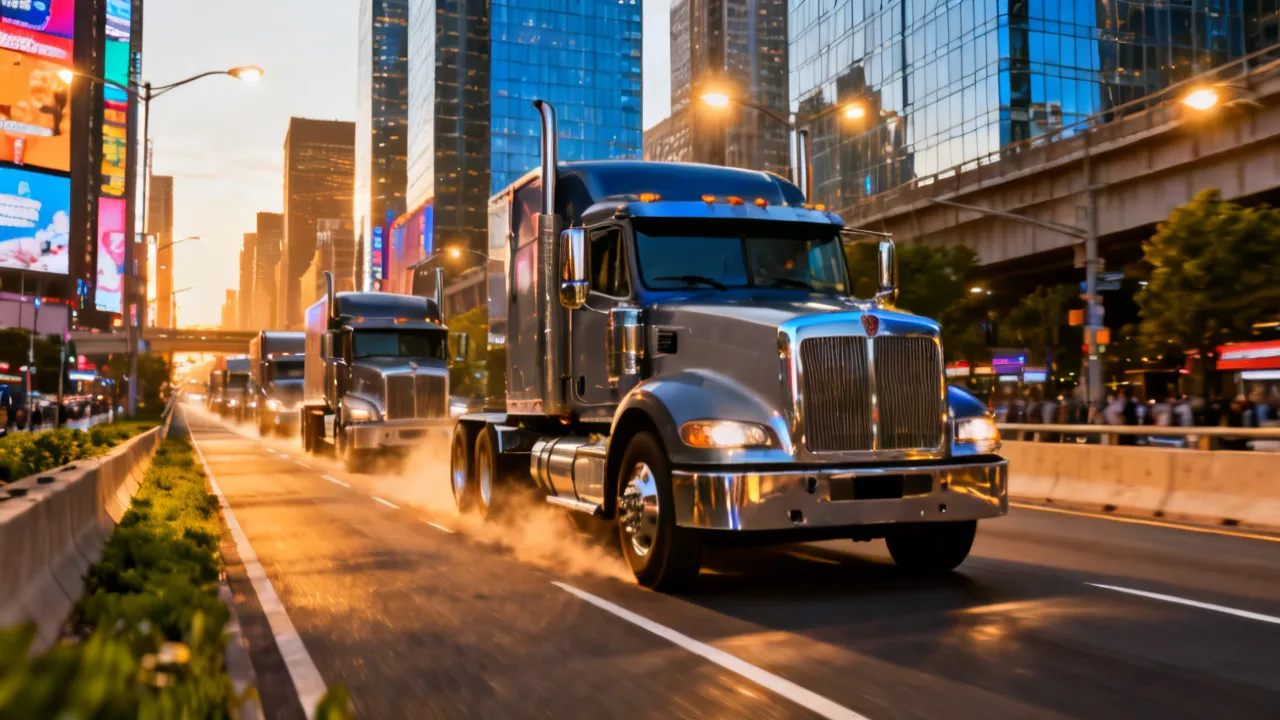
Discover the dynamics of truck fleets near you. Truck fleets play a crucial role in logistics, transportation, and the broader supply chain, moving goods efficiently and supporting regional economies. This article delves into the characteristics and benefits of local truck fleets, providing insights into their operations and contributions to the industry.
Navigating Truck Fleets Nearby
Discover the strategies and considerations when managing truck fleets nearby, crucial for businesses reliant on logistics and transportation. Truck fleets, essential in various industries, significantly impact operational efficiency and cost-effectiveness. This guide explores fleet management, local service offerings, and optimization tips, helping businesses maximize their transportation capabilities while staying competitive in their regions.
