Police Vehicle Replacement Standards define when fleet agencies should retire and replace patrol cars based on safety, reliability, and operational readiness. This guide explains how replacement standards work, how to evaluate vehicles like any other used-car purchase, and where to find current listings on major official car trading websites. It also outlines a practical decision checklist and key requirements.
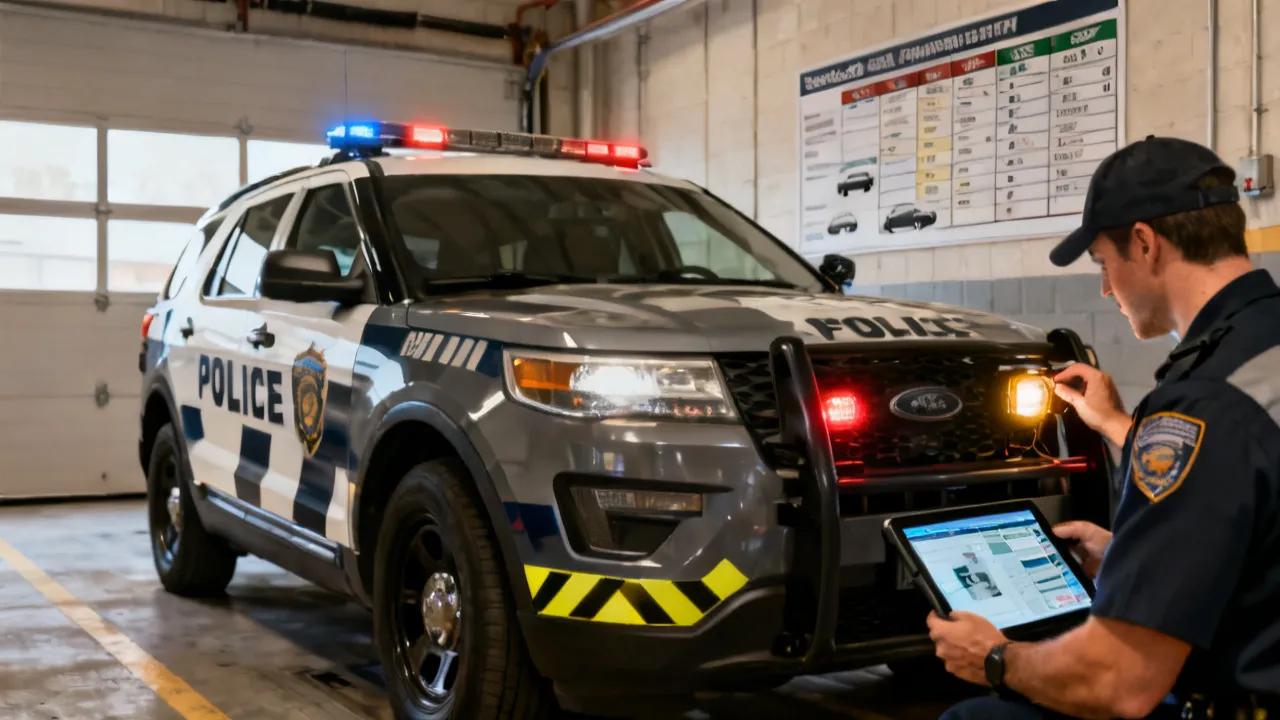
Police Vehicle Replacement Standards are the operational rules fleet managers use to decide when patrol and support vehicles should be retired, repaired, or replaced. In practice, these standards balance three realities: (1) safety-critical performance (lights, braking, tires, communications power), (2) reliability and maintenance risk (component fatigue, diagnostic history, downtime), and (3) total cost of ownership across the vehicle lifecycle.
Because police vehicles are high-demand assets—often operating under tight schedules, harsh driving conditions, and continuous electronic loads—the “right time” to replace is rarely based on mileage alone. Instead, well-run agencies use a mix of objective measures (maintenance events, inspection findings, and subsystem health) plus policy constraints (budget cycles, procurement lead times, and vehicle configuration needs).
From an industry perspective, replacement standards should be treated as a fleet risk framework. A vehicle’s age and mileage matter, but the very defensible policies also consider:
When agencies ignore any of these areas, they often pay later through reduced availability, higher overtime/standby costs, or safety-driven downtime. The very sustainable approach is to use repeatable evaluation criteria and document the rationale for each replacement decision.
Any replacement policy is only as good as its understanding of how vehicles are actually used. Police fleets experience a combination of wear patterns that do not always correlate tightly with odometer readings:
Because these factors stress components differently than typical commercial or consumer driving, fleets benefit from replacement standards that treat the vehicle as a set of subsystems—each with its own wear curve—rather than one monolithic “mileage number.”
Think of replacement decisions as a structured workflow rather than a single threshold. A common model looks like this:
In practical terms, agencies often blend two types of evidence. The first is maintenance evidence (what was repaired, how often, and how long it took). The second is condition evidence (what physical or functional tests show about safety and subsystem health). The combination provides the strongest case for a defensible replacement decision.
In many departments, standards are organized into decision tiers. While exact thresholds vary by agency and region, a typical approach is:
From an expert operations viewpoint, the “replace” category should be conservative on safety systems and pragmatic on cost. That balance protects both the public mission and the department’s budget discipline.
However, “pragmatic” does not mean “cheap.” It means that replacing a vehicle is evaluated as an operational risk-reduction move, not simply a purchasing decision. A vehicle that is expensive to keep can still be kept if replacement would cause a readiness gap or if the failure risk is manageable through repairs. Conversely, a vehicle that is not yet “at the end” by age may still be replaced if a safety-adjacent subsystem becomes unreliable.
Most fleets expect predictable wear items—brakes, tires, wiper blades, oil changes—so those do not necessarily force immediate retirement. Replacement tends to move earlier when the failure pattern suggests structural deterioration or an inability to restore reliability. Common examples include:
When such issues become frequent or recurring, the fleet is no longer managing wear; it is managing emerging end-of-life behavior. In those cases, replacement standards often justify retiring the vehicle even if the odometer suggests it is “not that old.”
Even when a fleet manager identifies a vehicle for replacement, the process has dependencies. Police vehicles often require specialized upfitting: lighting systems, secure mounts for gear, communications equipment integration, and sometimes prisoner transport or evidence handling configurations. If replacement standards are written without considering these constraints, the department may face:
Therefore, top practice is to align replacement windows with procurement cycles, not just vehicle condition. The standard becomes an operational calendar—an approach that improves consistency and reduces last-minute substitutions.
In well-governed fleets, this alignment is often handled through multi-year planning: vehicles are evaluated not only on current condition but also on how soon replacement inventory and upfitting capacity can be delivered. A vehicle might be kept longer if replacements cannot arrive in time, but the reasoning is documented and paired with risk controls (such as intensified inspections, prioritized repair scheduling, or temporary equipment substitutions).
Once an agency decides it needs replacement vehicles, procurement can draw from multiple channels: new fleets, auctions, and used vehicle listings. For buyers—whether institutional or private—official car trading websites can provide structured listing pages and searchable inventories. Below are major official websites widely used for browsing car inventory and comparing available models.
| Website | What it helps with |
|---|---|
| Cars.com | Searching current listings by model, price range, and location; comparing dealer inventory and vehicle attributes. |
| CarMax | Reviewing available used inventory from a large national network and comparing vehicle condition details. |
| CarOnSale | Exploring promotional or listed vehicles with an emphasis on deals and curated inventory (availability may vary by region). |
| Autotrader | Filtering listings across dealers and sellers, and supporting comparison shopping before purchase. |
source: www.cars.com ; www.carmax.com ; www.caronsale.com ; www.autotrader.com (source of information: official car trading websites)
Replacement standards sometimes focus on vehicles the agency already operates. Yet many departments and organizations also procure used vehicles, including retired patrol cars or vehicles from other fleets. When used procurement is part of the strategy, replacement standards should extend into the buying process with similar discipline:
In this way, used-car procurement becomes an extension of replacement standards rather than a separate, less controlled activity.
Buying a “cheap” car can be a smart financial move, but it must not undermine safety and readiness. The key is to separate purchase price from lifecycle risk. An expert approach combines disciplined search steps with verification checkpoints.
Whether you are a department manager or an individual shopper, these requirements help ensure the “cheap” option doesn’t become expensive later:
Police Vehicle Replacement Standards are often written for internal fleets, but the same underlying logic should guide used-car procurement decisions. Below is a comparison table that aligns typical replacement-policy concerns with how buyers can evaluate listings.
| Fleet replacement concern | How to verify during used-car shopping | Why it matters |
|---|---|---|
| Reliability and repeat repairs | Review service records; look for repeated fixes; request diagnostic or repair invoices when available. | Frequent recurring issues increase downtime and risk during critical operations. |
| Safety subsystem wear | Use PPI results for brakes, suspension, tires, and electrical/lighting function tests. | Safety failures can be mission-ending and create liability exposure. |
| Condition transparency | Confirm disclosures; compare listing photos against condition reports. | Hidden damage can undermine both safety and resale value. |
| Technology and retrofit fit | Confirm electrical capacity and physical mounting feasibility for needed accessories. | Integration problems can raise total cost and delay readiness. |
One reason replacement standards sometimes fail is that different reviewers interpret “good enough” differently. A risk scoring approach reduces variability. While every fleet uses different metrics, a generic scoring structure might include:
Once these categories are scored consistently, the fleet can set “action thresholds” (keep/repair/replace) that are easier to justify to leadership, auditors, and stakeholders.
Just as importantly, scoring allows fleets to spot outliers. A vehicle with moderate mileage but an extreme reliability score may be replaced sooner. Conversely, a higher-mileage vehicle with stable maintenance history and strong condition results might be kept longer with confidence.
Many people think replacement is a simple comparison: if the repair cost is high, replace; if it is low, keep. A fleet-grade approach is more nuanced because downtime and integration costs can dominate the decision.
Lifecycle total cost of ownership typically includes:
In some cases, a vehicle can be expensive to maintain but still “cheaper” overall if the replacement pipeline cannot be delivered promptly. In other cases, a vehicle can appear relatively affordable to keep until a catastrophic failure causes a readiness gap. Total cost analysis helps avoid both errors by considering not only current spending, but also upcoming risk.
In many public-sector procurement environments, the standard is not only about vehicle condition—it is also about defensibility and governance. A replacement standard program should clearly define:
Adopting these governance expectations reduces ambiguity and helps ensure that Police Vehicle Replacement Standards remain a practical operational tool rather than a static policy document.
A defensible decision is usually backed by paperwork that shows both the vehicle’s condition and the decision-making process. Common documentation elements include:
This documentation is not only for audits. It also improves internal learning: fleets can analyze past outcomes to refine thresholds and reduce replacement costs over time.
Replacement standards can become ineffective when they are treated as rules of thumb rather than risk management. Common pitfalls include:
Well-managed fleets correct these issues by building multi-factor evaluation criteria, requiring documentation, and periodically reviewing policy thresholds based on actual outcomes.
A single replacement number for the entire fleet rarely reflects operational reality. Different vehicle roles experience different stress profiles. For instance:
When agencies tailor thresholds by role, they reduce both premature replacement and dangerous overextension.
To make replacement standards actionable, inspections must test the right things. While exact procedures vary, a robust police vehicle condition assessment often includes:
If inspections only capture surface issues (e.g., “it looks okay”), replacement standards become superficial. The inspections should produce evidence that a vehicle is safe and likely to remain dependable for its mission interval.
In modern policing, the technology inside the vehicle is part of operational safety. A vehicle may drive fine but still fail the replacement decision because communications, power distribution, or electronics integration cannot meet current requirements.
Replacement standards therefore frequently include criteria for:
Technology needs can therefore make replacement “earlier” than purely mechanical wear would suggest. For example, if a vehicle’s electrical system is insufficient, the cost and complexity of upgrades may outweigh the value of keeping it.
Replacement standards are designed for real operations—when a patrol shift begins, units must be able to dispatch vehicles safely and quickly. Readiness metrics turn policy into measurable outcomes.
Common readiness measures include:
A vehicle might be “repairable” but only after long delays. In a readiness-sensitive environment, long time-to-repair increases the risk of gaps during critical periods, which can justify earlier replacement.
Whether you are buying for a personal need or procuring for an organization, it helps to treat a “deal” as a hypothesis. Your job is to validate the hypothesis with evidence. If evidence is missing, the deal may be cheap for a reason.
Here is a practical mindset that aligns with replacement standards:
This approach prevents the typical failure mode where a “cheap car” becomes a recurring maintenance burden that eventually costs more than the difference between a fair-priced vehicle and a truly discounted one.
A PPI is especially important when buying used vehicles for operational use or for any context where safety and reliability matter. A structured checklist can prevent oversight.
In a police-flavored application, an additional step is to verify compatibility for required equipment—mount points, available power, and wiring harness condition—so that “cheap” does not translate into expensive retrofitting problems later.
Negotiation works best when it is tied to risk. Replacement standards are risk-based, so negotiation should also be risk-based:
When negotiation is evidence-driven, buyers avoid the “looks good” trap and keep risk aligned with their budget.
No. While mileage is a commonly tracked indicator, credible replacement standards incorporate safety-critical condition, diagnostic history, maintenance frequency, and operational readiness metrics. A vehicle with lower mileage can still be replaced early if safety systems or reliability signals show end-of-life trends.
Typically, agencies prioritize brakes, tires, suspension and steering condition, visibility equipment (lights and signaling), and wiring/electrical integrity. Communications and accessory power reliability matter as well, because mission equipment is safety-adjacent to operational performance.
Use a structured search: filter listings by relevant attributes, compare more than photos, request documentation, and perform a pre-purchase inspection. Treat the “deal” as a hypothesis until verified by evidence.
Service records, maintenance invoices, any inspection notes, and disclosure of prior repairs are the very useful. If diagnostic or fault history is available, it can help assess whether issues are recurring or resolved.
They are a useful discovery tool for inventory and comparison, but institutional procurement generally requires additional steps: formal evaluation, compliance reviews, documented inspections, and upfitting/fit checks. Always follow your organization’s procurement and safety policies.
Replacement policies are strongest when they are consistent and evidence-driven. Even when vehicles appear similar at purchase time, their operating history can differ substantially. That is why well-managed fleets rely on inspection outputs, maintenance trends, and readiness metrics—then translate those findings into replacement timing that supports public service continuity.
For shoppers seeking a car on sale, the same principle applies: the listing price matters, but the true value emerges after verification. When used-car evaluation is disciplined, “cheap” becomes a controlled outcome rather than a gamble.
1) The above information comes from online resources, and the data is as of October 2023.
2) For more information, please refer to the official website.
Police Vehicle Replacement Standards and Fleet Buying
Police Vehicle Replacement Standards and Buying Used Cars
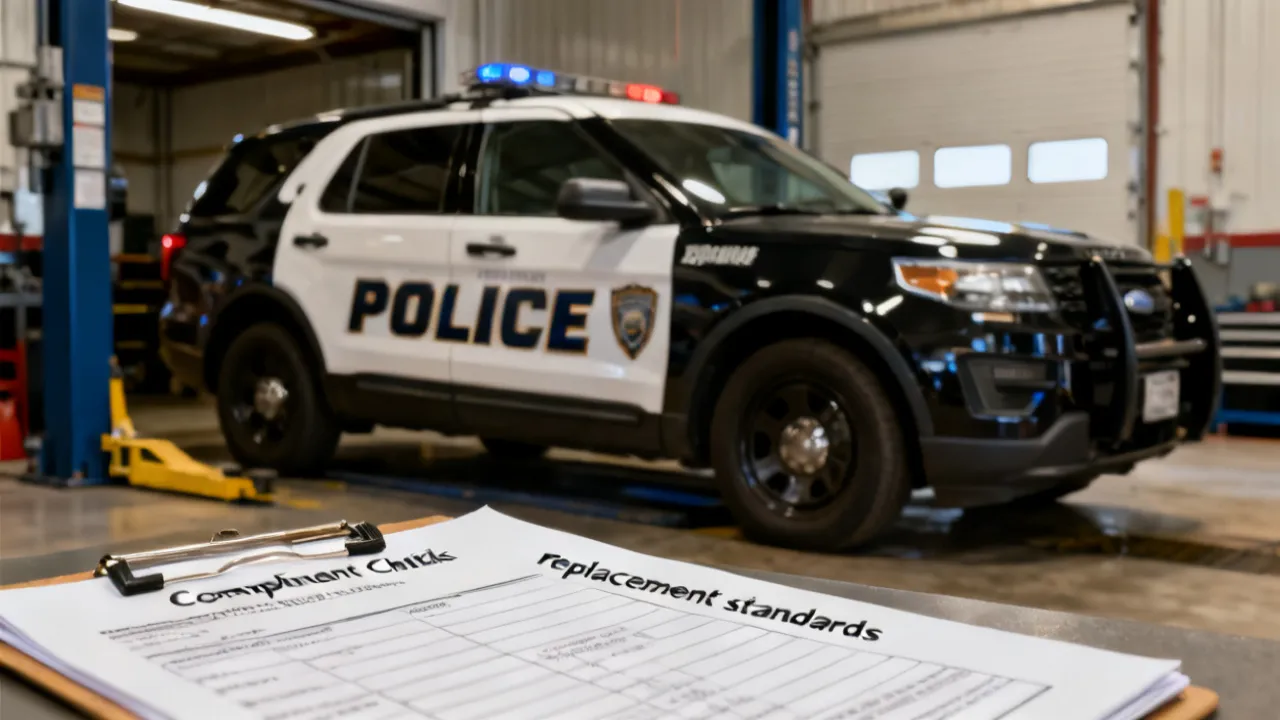
Police Vehicle Replacement Standards Explained
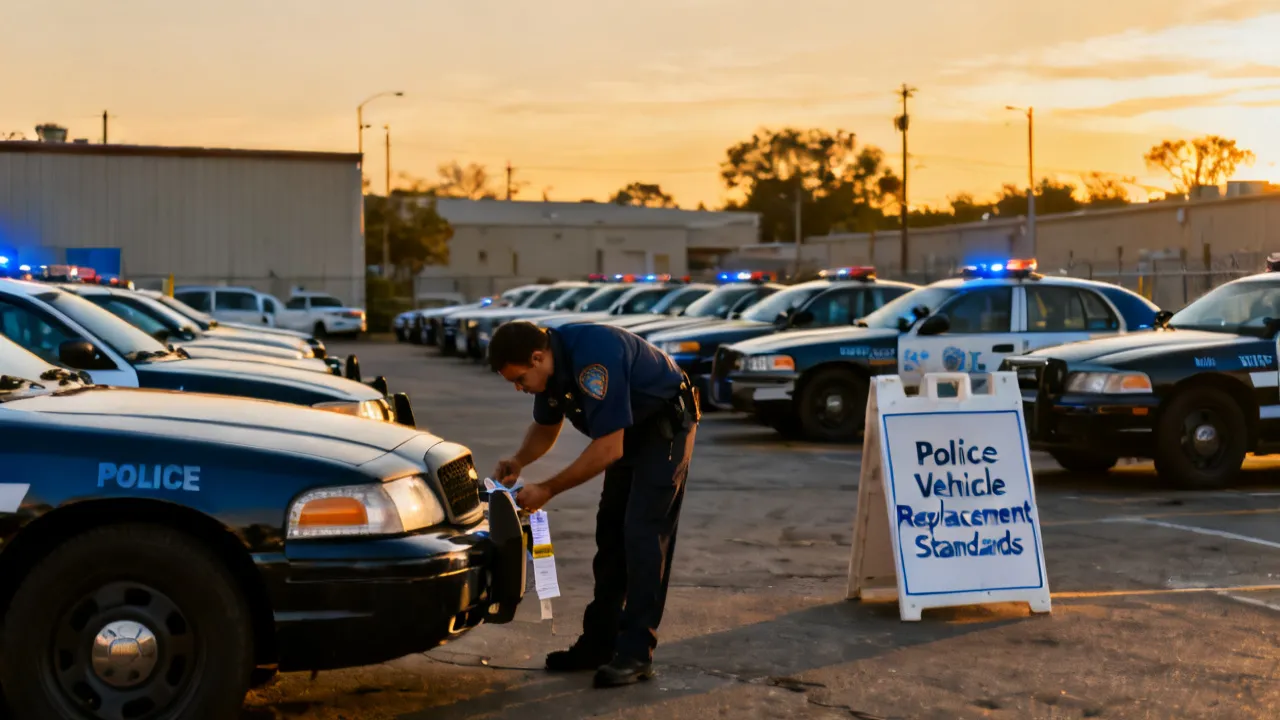
Police Vehicle Replacement Standards Explained for Fleet Teams
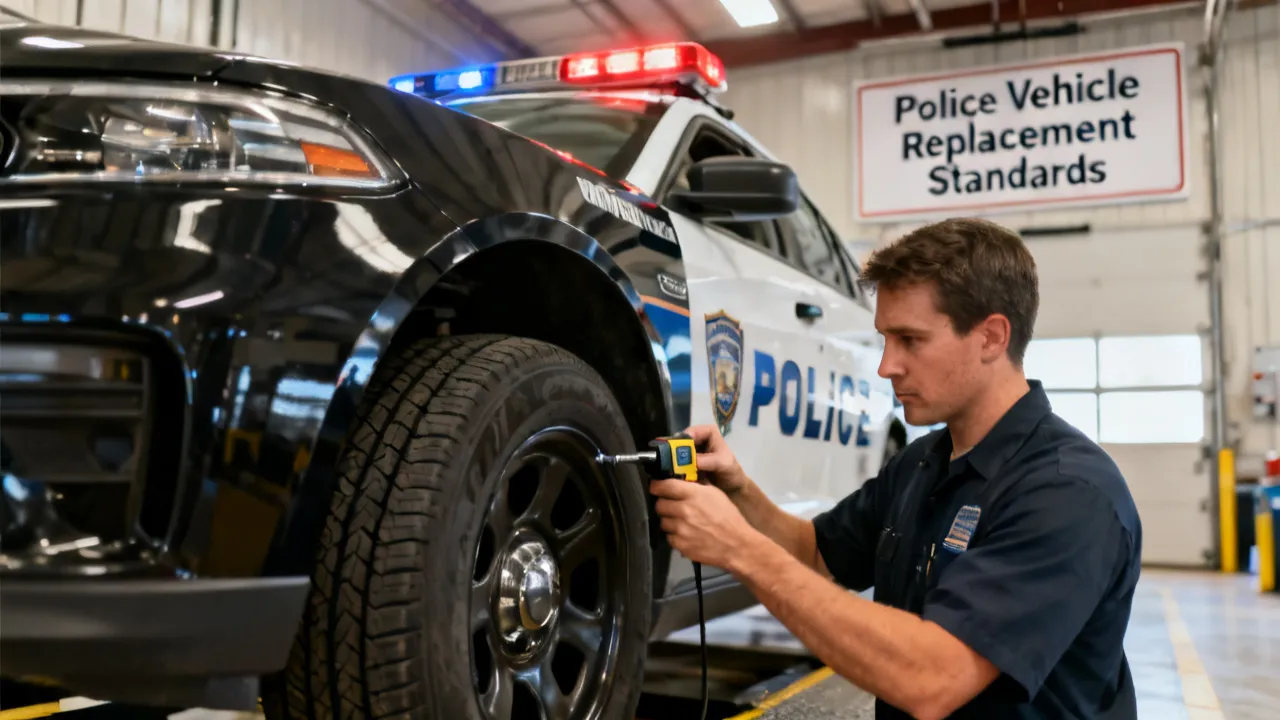
Police Vehicle Replacement Standards and Buying Options
Police Vehicle Replacement Standards Explained
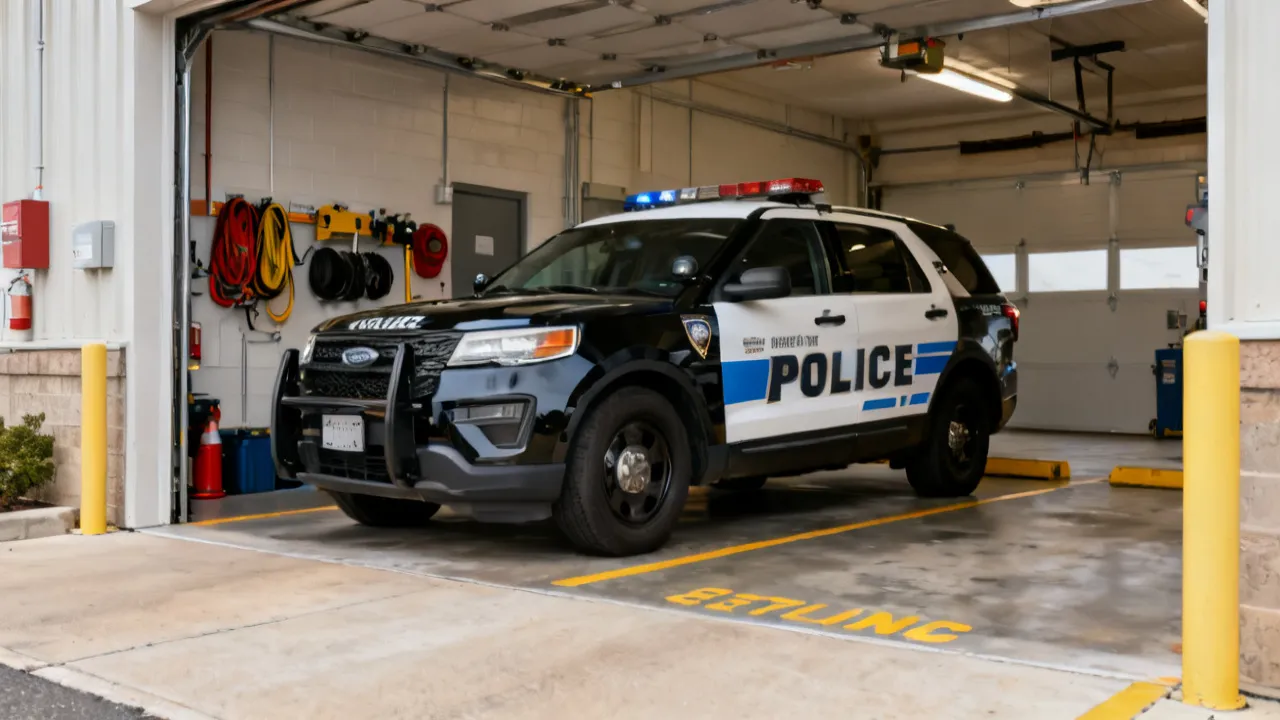
Police Vehicle Replacement Standards and Safer Procurement

Police Vehicle Replacement Standards and Fleet Buying Guide
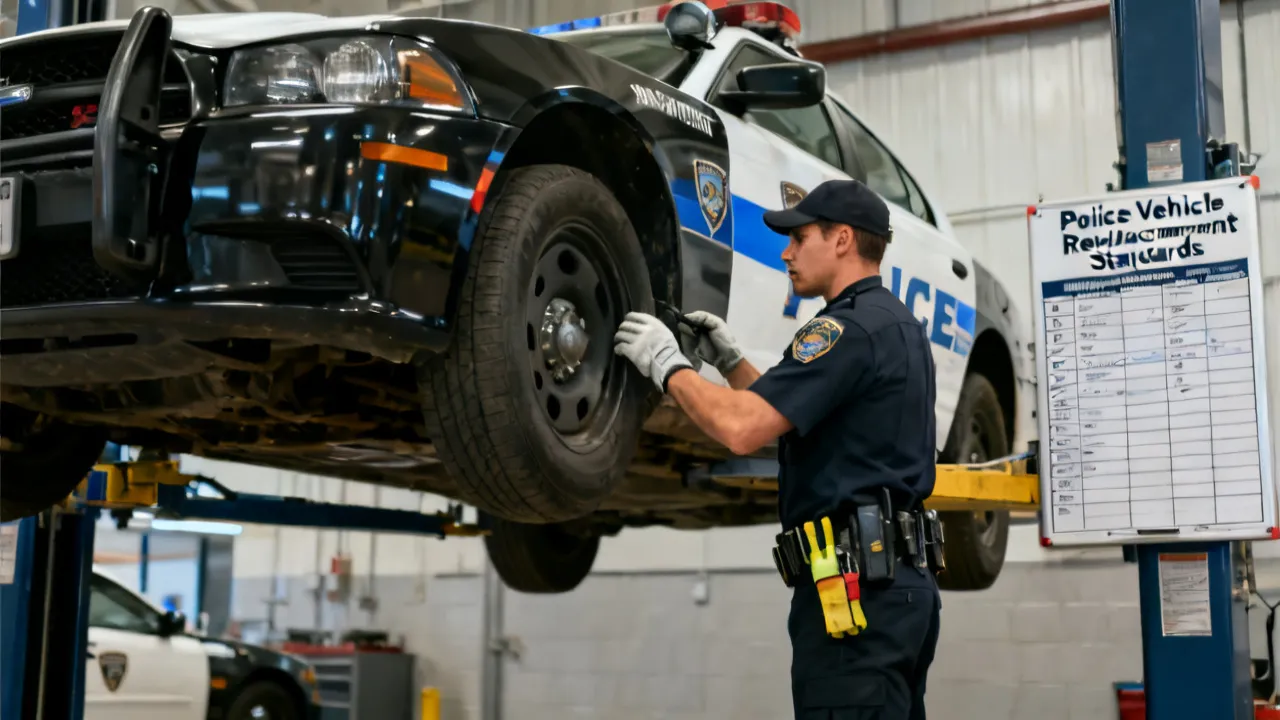
Police Vehicle Replacement Standards and Buying Guide
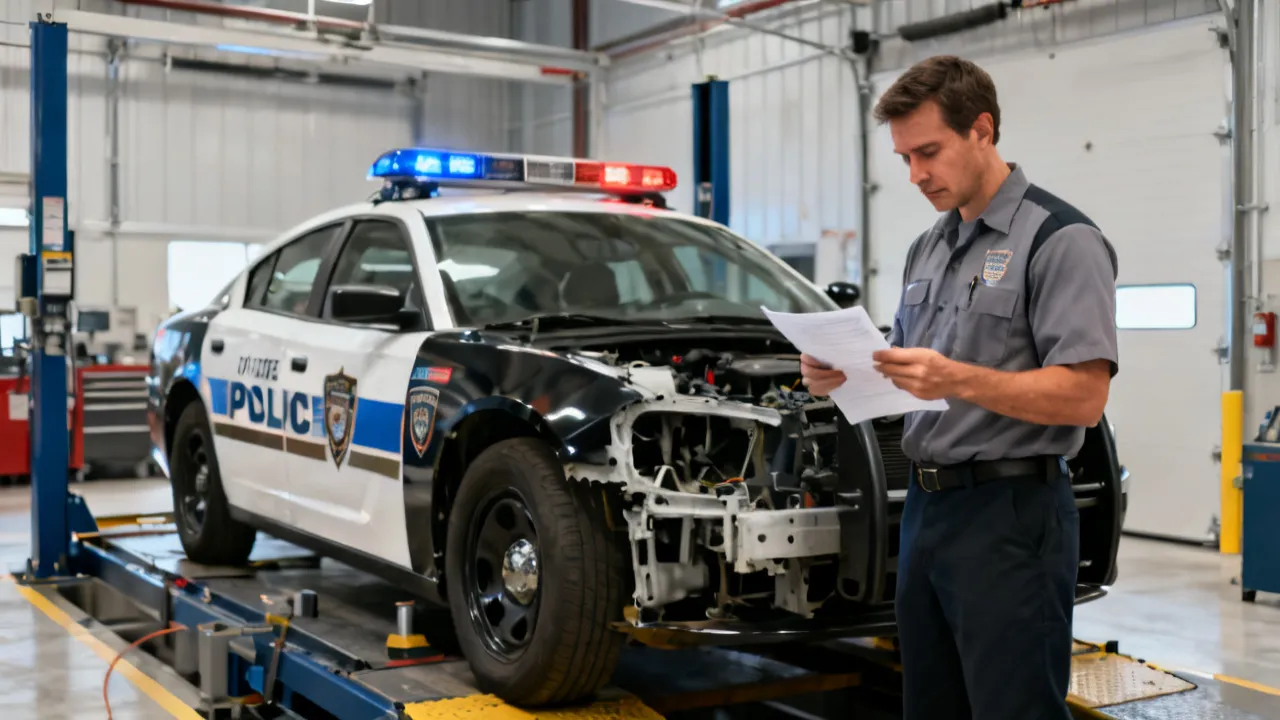
Police Vehicle Replacement Standards and Fleet Buying
This guide explains how Police Vehicle Replacement Standards shape budgeting, safety, and readiness for departments, while showing how to find a cheap car on sale through reputable marketplaces. It also provides objective steps for evaluating replacements—mileage, lifecycle costs, safety equipment, and compliance—using practical criteria you can apply whether you’re sourcing marked units or general-purpose vehicles.
Police Vehicle Replacement Standards and Buying Used Cars
This guide explains Police Vehicle Replacement Standards and how agencies evaluate fleet age, condition, safety, and readiness—then translates those same discipline-driven checks into a practical process for finding a cheap car on sale. It introduces major official trading platforms, offers a comparison framework, and provides expert-style requirements and FAQs. Objective, compliance-focused, and built for real-world decisions.
Police Vehicle Replacement Standards Explained
Police Vehicle Replacement Standards shape when agencies retire and replace patrol cars to balance safety, reliability, budgeting, and compliance. This guide explains the objective framework agencies use—vehicle lifecycle planning, performance metrics, and procurement controls—then shows how buyers can find a cheap car for sale by comparing reputable dealer listings like Cars.com, Carmax, CaronaSale, and Autotrader.
Police Vehicle Replacement Standards Explained for Fleet Teams
Police Vehicle Replacement Standards shape how agencies decide when to retire, repair, or replace patrol cars and support units to maintain safety, reliability, and readiness. This guide outlines the objective criteria fleets commonly use—mileage, condition, cost-to-maintain, and mission requirements—then compares official dealer marketplaces and explains how to find and buy a reasonably priced car for fleet or backup needs.
Police Vehicle Replacement Standards and Buying Options
Police Vehicle Replacement Standards define when fleet agencies should retire and replace patrol cars based on safety, reliability, and operational readiness. This guide explains how replacement standards work, how to evaluate vehicles like any other used-car purchase, and where to find current listings on major official car trading websites. It also outlines a practical decision checklist and key requirements.
Police Vehicle Replacement Standards Explained
Police Vehicle Replacement Standards guide agencies in deciding when to rotate patrol and support fleets, balancing safety, reliability, cost control, and regulatory expectations. This guide explains how standards are typically built, what to document during replacement planning, and how to find and compare discounted vehicles. It also summarizes key purchasing steps using reputable car trading websites.
