Police agencies rely on Police Vehicle Replacement Standards to reduce downtime risk, maintain safety, and keep fleet readiness predictable. This guide explains what “replacement standards” typically mean, how agencies evaluate age, mileage, condition, and upfit readiness, and how buyers can find economical vehicles through reputable car trading platforms such as cars.com, Carmax, Caronsale, and Autotrader. It also outlines practical steps for finding deals and verifying listings objectively.
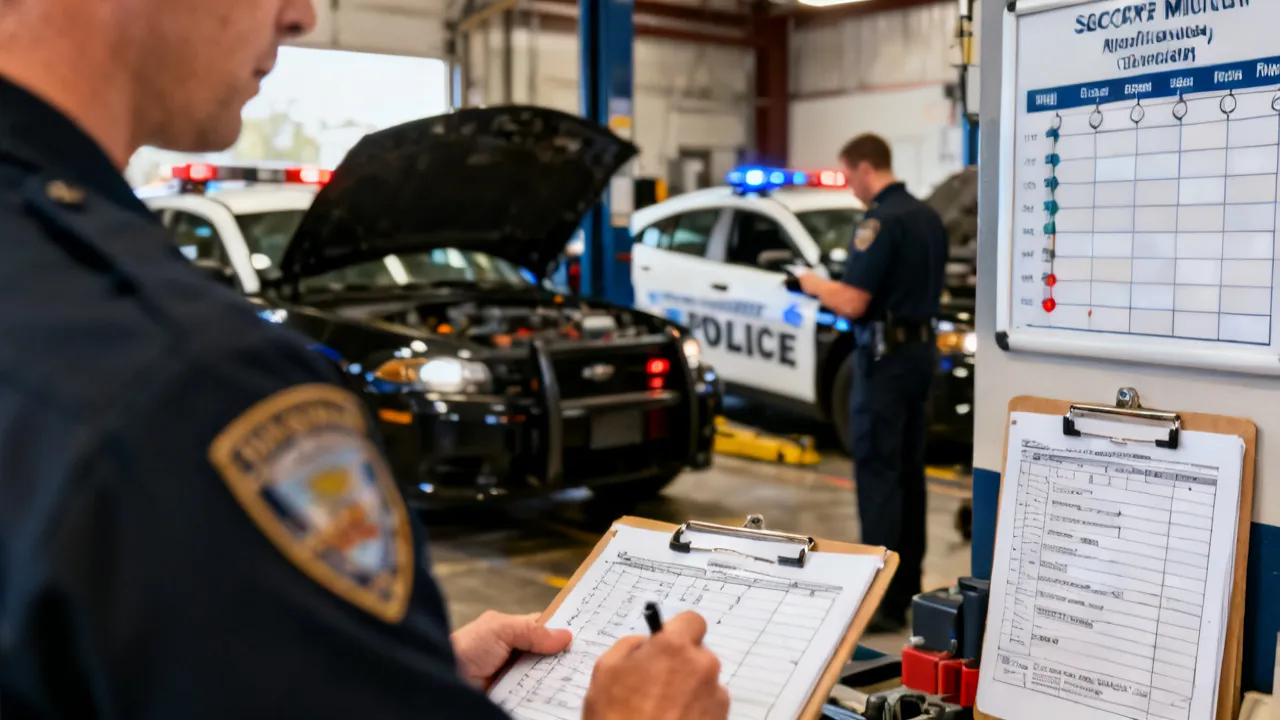
Police Vehicle Replacement Standards are the structured rules many public-safety fleets use to decide when to retire patrol cars, how to prevent failures from harming response times, and what “acceptable condition” looks like before a vehicle is redeployed or sold. For agencies, the goal is not simply to replace vehicles by calendar age; it is to balance operational risk, lifecycle cost, safety compliance, and maintainability so the fleet stays ready when demand spikes.
From an industry perspective, the strongest replacement standards share a common philosophy: treat each vehicle like a reliability asset with measurable indicators—maintenance history, mechanical condition, corrosion severity, and readiness of required police equipment—rather than relying on a single metric. When these standards are applied consistently, decision-making becomes defensible, procurement becomes easier to audit, and downstream costs (repairs, towing, administrative downtime) generally trend down over time.
In many jurisdictions, police vehicles are expected to perform reliably under extreme and unpredictable duty cycles. Patrol cars are not just “transportation”; they are mobile platforms that must carry communications gear, lighting systems, computers and charging devices, and (depending on the department) specialized safety equipment. A fleet vehicle that is late to start—because it is in the shop too often, has recurring electrical issues, or suffers cooling problems—can disrupt scheduling and reduce overall readiness. Replacement standards exist to protect the agency’s ability to respond while keeping total operating costs within predictable limits.
Police vehicles operate in demanding conditions: frequent stops and starts, hard braking, extended idling, varied weather, and long hours in harsh light-and-sound duty cycles. As mileage and age increase, wear accelerates in components tied to safety and reliability—braking systems, cooling systems, suspension components, electrical harnesses, and tire wear. Replacement standards help fleets reduce the chance of a vehicle leaving service unexpectedly.
These standards also influence the broader market. Many agencies dispose of vehicles through dealer channels or secondary sales. Buyers who understand how fleets grade vehicles can interpret listings more accurately—especially when vehicles may have had specialized upfits, emergency lighting, or equipment bundles removed prior to sale. A buyer who only looks at the price might miss the fact that “cheap” can sometimes reflect hidden risks: deferred maintenance, corrosion damage, wiring changes, or parts wear that accelerated due to the vehicle’s duty cycle.
Additionally, replacement standards can affect how transparent or consistent listings are. If a fleet uses documented inspection criteria, the disposal process becomes more systematic. Even when buyer-visible documents are limited, consistent processes tend to yield a more traceable history—at least in terms of whether major repairs were addressed and whether vehicles were removed for safety or readiness reasons.
While exact policies vary by agency and region, replacement standards usually cover four areas:
An industry top practice is to use decision thresholds (for example, “replace if major safety-related repairs exceed a set percentage of replacement cost” or “replace when corrosion affects structural components”). This turns what could be subjective judgment into repeatable fleet governance.
To make those thresholds actionable, agencies often define measurable triggers such as:
When agencies define these triggers, they reduce the chance of “late” discoveries—like a vehicle being removed because its radiator is failing or the cooling system is leaking after the vehicle has already been committed for another shift. Standards provide a structured way to prevent surprises.
Even when mileage targets exist, agencies typically add qualitative inspections. A professional fleet assessment often includes:
When police vehicle replacement decisions are well managed, the assessment process also clarifies how the vehicle will be handled after removal from service—whether it will be auctioned, resold “as-is,” converted to civilian use, or refurbished for another department or community program.
To understand why this matters, consider how many components experience stress in patrol duty. Brake systems wear faster due to repeated acceleration/deceleration. Suspension systems can face uneven loading from potholes, curbs, and the occasional need to respond quickly. Electrical systems are stressed by the combination of ignition cycling, radio transmissions, and constant power draws from auxiliary equipment. Cooling systems may experience extended idling and rapid temperature changes during frequent stops. Even the “small” items—such as battery health or alternator output—can be pivotal to readiness.
Some fleets also document vehicle condition in a standardized scoring format. A scoring sheet might rate:
When those data points are collected consistently, fleet managers can compare vehicles across time and across different garages. That consistency is crucial if the agency wants to make budget forecasts with confidence.
Replacement policies commonly rely on a combination of triggers rather than one factor. Typical examples include:
In many organizations, these triggers are paired with a structured “age–condition” matrix that supports consistent decisions across shifts, garages, and procurement cycles.
It’s useful to note that “replacement” doesn’t always mean the vehicle is unusable. Many agencies retire vehicles because they no longer meet operational risk thresholds, not because the vehicle is instantly unsafe. A vehicle might still drive, but it may not meet the readiness standard—perhaps because it requires frequent sensor replacement, suffers from recurring cooling leaks, or has corrosion that threatens longevity even if it is not yet failing.
That distinction matters for buyers. A retired police vehicle may look clean on the surface and start up easily, but if it was retired due to readiness concerns, it may still need work—sometimes soon. Conversely, some vehicles are retired because of procurement cycles, not because of mechanical failures. Understanding what drove retirement can change the expected risk level dramatically.
If you’re purchasing a vehicle that previously served a public fleet role, you’ll want to interpret it through the same lens that fleet managers use. Consider these practical checks:
This perspective helps buyers avoid “mechanical surprises,” especially because specialized use can produce wear patterns that differ from typical civilian driving.
In addition to the checks listed above, buyers can benefit from thinking like a fleet manager in terms of system dependencies. For example:
This systems thinking doesn’t mean every retired vehicle is risky. It means the buyer should prioritize verification of the systems most likely to have been affected by patrol usage and upfit work.
To supplement the operational logic behind Police Vehicle Replacement Standards, the table below compares common fleet decision frameworks. It is designed as a neutral checklist—not a claim of universal rules.
| Framework element | How agencies typically apply it | What it means for resale or purchase |
|---|---|---|
| Age/mileage target | Used as a starting point or baseline for replacement planning. | A younger vehicle may still be retired if condition or equipment compatibility fails. |
| Condition inspection | Corrosion, safety components, diagnostics, and interior wear are evaluated. | Two vehicles with similar mileage can differ significantly in purchase risk. |
| Cost crossover analysis | Replacement is considered when repair costs trend upward. | Higher repair history can signal greater future spend—request service documentation. |
| Equipment readiness | Assesses whether the platform supports required duties or modernization. | Upfit remnants or altered electrical systems may require additional verification. |
| Audit and consistency | Documentation supports repeatable governance across departments. | Listings with clear maintenance records and inspection reports are generally preferable. |
Source of comparison information: Fleet management practices commonly reflected in procurement and lifecycle asset approaches; for market listings referenced below, consult the linked official dealer platforms.
Vehicle listing platforms used for this guide (information source):
source: www.cars.com
source: www.carmax.com/cars
source: www.caronsale.com
source: www.autotrader.com
When searching for police vehicle replacement candidates, reputable marketplaces matter because they improve transparency around pricing, vehicle condition, and listing documentation. Below are the official websites highlighted for car browsing and purchasing workflows, including vehicles “on sale” via their current inventory systems.
| Website | What you can typically do | Top use during your search |
|---|---|---|
| cars.com | Browse new and used inventory with dealer listings and search filters. | Comparing trims, prices, and dealer locations quickly. |
| Carmax | Explore pre-owned vehicles sold through a large centralized inventory model. | Finding vehicles with standardized processes for buyers. |
| Caronsale | Search vehicles available through its online car listing network. | Discovering listings that may include fleet-type trades in rotation. |
| AutoTrader | Search listings from dealers and private sellers with comprehensive filters. | Monitoring price changes and comparing similar models. |
Links are the source of information and inventory access used in this guide.
source: www.cars.com
source: www.carmax.com/cars
source: www.caronsale.com
source: www.autotrader.com
If your goal is a more affordable vehicle—potentially including vehicles that once belonged to public fleets—the very reliable method is to combine pricing tools with verification steps. Here is a practical workflow used by experienced buyers.
Before browsing listings, decide what your “minimum acceptable condition” looks like: a threshold for corrosion, a willingness to pay for inspection, and a budget for likely wear items (tires, brakes, sensors). This mirrors how Police Vehicle Replacement Standards prioritize safety and reliability.
In practical terms, minimum acceptable condition should include more than just “it runs.” Police duty can stress certain components early. Therefore, many buyers set expectations such as:
Use advanced search filters on the sites above to narrow results. For example, match:
When applying filters, treat it as a risk management exercise. If you cannot afford a potential repair soon after purchase, it is better to filter out higher-risk options even if they appear to be “cheaper.” A low purchase price can be offset quickly by repair costs if the vehicle shows readiness concerns.
Many listings show promotions, sale prices, or inventory discounts. Treat these as starting points, not proof of mechanical health. Always check:
Also look closely at photos for mismatches: uneven panel colors, mismatched wheels, missing trim or covers, or signs of previous emergency equipment mounts. Even if the vehicle is structurally sound, poor reassembly after upfit removal can cause small but annoying issues—such as loose panels, missing fasteners, or exposed wiring harnesses.
For vehicles that might have had emergency equipment or fleet use, ask specific questions:
If documentation is available, request service records, inspection reports, and any statements about repairs done prior to sale. Fleet vehicles can have maintenance performed in a consistent schedule, but that doesn’t always mean that everything is up to date at the time of sale—sometimes vehicles are sold as-is after removal from the fleet.
Buyers can also ask how the vehicle was prepared for resale. For example:
Asking these questions helps you build a “readiness picture,” similar to what replacement standards aim to measure.
A qualified mechanic inspection is one of the top protections against expensive surprises. Prioritize:
For cars that may have had upfits, consider requesting a scan that checks pending codes and readiness monitors (where applicable). Even if the check engine light is off, the vehicle might have pending faults or intermittent issues. These can be relevant if the wiring was modified for emergency equipment or if additional power draws stressed the charging system.
In addition to a general inspection, you can request focused attention on:
Use inspection findings to support price discussions. If you identify extra work needed—such as tires, brakes, corrosion treatment, or wiring correction—then the “on sale” price may still be fair, but your offer should reflect verified repair scope.
A useful approach is to translate inspection issues into costs and timelines. For example:
Negotiation becomes more effective when you treat it like a readiness assessment rather than a bargaining contest.
Cheap cars can become expensive when paperwork or coverage is unclear. Ensure you understand:
This matters for police-fleet style vehicles because their history can be more complex than typical retail used cars. Even if the mechanical condition is good, the paperwork details—branded title status, salvage history, or prior damage—can change insurance eligibility or repair options.
If the listing lacks clarity, confirm with the seller in writing or through official documentation. Buyers who verify administrative details avoid risk that cannot be solved by a mechanic’s wrench.
To minimize risk when searching on sale vehicles (including those that could resemble former police fleet units), buyers typically follow conditions like these:
Beyond those basics, some buyers add operational “readiness” logic. For example, if you need the car daily, you should avoid vehicles that have multiple unresolved warning lights—even if they are “cheap.” A police replacement standard would likely retire a vehicle before it accumulates reliability uncertainty that could compromise readiness.
It’s also wise to consider the resale value of your purchase later. If you buy a vehicle with poor cosmetic restoration after upfit removal, the vehicle might sell at a discount, even if the mechanical foundation is solid. On the other hand, if maintenance records are present and the vehicle is well restored, it may retain value more effectively.
Police-duty vehicles tend to show wear patterns that can be different from normal personal driving. This is not a guarantee, but it can guide what you focus on during inspection or test drives.
Common wear patterns that may appear include:
If you’re buying a vehicle that may have had specialized use (including emergency lights), these patterns become a priority checklist. The goal is to identify whether the vehicle was retired for a reason that will likely reappear soon.
Corrosion is one of the most decisive factors in many Police Vehicle Replacement Standards because it can quietly transform a manageable maintenance issue into a structural concern. Corrosion thresholds in fleet policies often differentiate between:
For buyers, this means underbody inspection is not optional if you live in regions where road salt is common. Even a well-maintained drivetrain can be compromised by structural corrosion. Police fleets often remove vehicles before corrosion becomes severe enough to threaten inspection compliance or structural safety.
During inspection, focus attention on:
If you see heavy pitting or flaking rust in structural zones, treat that as a risk indicator. The vehicle may still operate, but future maintenance may be more expensive and potentially more difficult.
Many fleets manage not only by “age,” but by readiness targets—a metric describing how often vehicles are available for duty. Replacement standards may include a goal like a certain percentage of fleet vehicles meeting readiness criteria at any given time. When vehicles fail readiness targets, they may be retired to protect the overall ability of the department to deploy sufficient cars.
For buyers, the implication is straightforward: a vehicle retired due to reliability issues may present symptoms such as:
Even if the vehicle runs now, readiness-focused retirement suggests that the vehicle’s reliability may not meet the standard expected by fleets. Buyers can attempt to infer this from service history, inspection results, and the presence of unresolved codes at the time of sale.
To approximate a readiness score during your purchase, you can apply your own qualitative framework:
This does not require you to be a fleet manager; it just uses the same conceptual tools to reduce risk.
Equipment readiness is often a major driver in Police Vehicle Replacement Standards. A fleet may retire a vehicle because it no longer meets the upfit requirements for modern equipment or because installing or maintaining equipment becomes too expensive or complex.
For example, a fleet might:
From a buyer’s standpoint, that means even if the vehicle is mechanically fine, it might have:
Some vehicles are retired because they are no longer practical for fleet use. Those vehicles can still be good purchases, but you should budget for the cleaning, repairs, and verification needed to bring the electrical system back to a civilian-friendly state.
Lifecycle cost control is a core principle in Police Vehicle Replacement Standards. Instead of asking only “How many miles?” agencies often ask: “How much did this vehicle cost to keep ready during the past year?” If annual repair spending approaches replacement cost, fleets may decide that replacement is cheaper overall, especially when considering downtime and risk.
This is an especially valuable concept for buyers because it reframes what to evaluate. A vehicle with lower mileage but a messy maintenance history might cost more in the short term than a slightly higher mileage vehicle with consistent maintenance.
When interpreting service history, look for patterns that resemble fleet-style cost crossover issues:
Buyers can also interpret maintenance history through a TCO mindset. TCO includes:
A price that seems too good may reflect a looming cost crossover problem—meaning you might be buying the vehicle at the moment the fleet decided it was no longer economical to keep.
Audit and consistency are part of many fleet replacement processes. When fleets use standardized inspections, they can often provide better documentation: inspection reports, maintenance logs, and sometimes condition scores.
As a buyer, you can benefit from this by preferring listings that provide:
Documentation does not eliminate risk, but it improves your ability to make decisions. When a listing provides fewer details, you should compensate by increasing diligence—such as requesting more photos, insisting on a pre-purchase inspection, and confirming title status carefully.
During a test drive, buyers can evaluate readiness-related concerns in a way that aligns with how fleets think about reliability and safety. A test drive is not a diagnostic scan, but it can reveal practical issues.
Key observations include:
If the vehicle had emergency equipment upfit, pay attention to electrical stability. Some wiring changes can cause subtle issues that show up under load—like when you run multiple systems (heated seats, defroster, radio, and charging devices).
Also consider a cold start. Many mechanical issues are more obvious when the engine starts from cold. If the seller is only offering a brief test drive, request a cold start where feasible or ensure a mechanic can inspect the vehicle before purchase.
Even with careful inspection, after-sales issues can arise—especially with vehicles that have complex duty histories. Buyers can manage this by aligning expectations and preparing for a “first 90 days” maintenance plan.
For cars that may have had fleet duty, a reasonable after-sales plan might include:
This approach is similar to how fleets plan readiness—preventive actions reduce unexpected downtime later. A buyer who treats the vehicle as a reliability project rather than a simple purchase generally has fewer surprises.
They are formal criteria used by police fleet managers to determine when a vehicle should be retired, typically based on safety, reliability, condition (including corrosion and key components), and lifecycle cost considerations—often alongside mileage or age targets.
No. While mileage/age can be a baseline, many agencies incorporate condition inspections, maintenance history, and equipment readiness to avoid retiring vehicles prematurely or keeping vehicles too long despite rising repair risk.
Often, vehicles sold as surplus or through dealer channels can be priced competitively. However, the “cheap” price may reflect wear, equipment removal work, unknown service history, or cosmetic condition—so due diligence matters.
Focus on electrical systems (diagnostic scan), evidence of clean wiring removal, mounting point repairs, and any recurring issues related to charging, lighting, cooling, or aftermarket components.
Use reputable inventory platforms, apply tight filters, compare similar trims and mileage, then verify with documentation and a pre-purchase inspection. Negotiation should be based on objective findings, not marketing language.
For agencies, they reduce downtime and improve accountability. For buyers, they indirectly shape what gets sold and how condition is assessed, enabling more informed comparisons between listings.
For readiness and safety, the most concerning issues often involve structural corrosion, failing brakes, cooling system leaks/overheating history, recurrent electrical faults, and evidence of incomplete upfit removal (like damaged or exposed wiring). If multiple systems show wear indicators, risk increases and negotiation or rejection may be appropriate.
Yes. Appearance can be misleading. Fleet vehicles may be cosmetically restored but still have hidden issues like underbody corrosion, brake wear, electrical faults, or mounting repairs that only show up under inspection. A mechanic’s inspection is one of the most cost-effective risk reducers available to buyers.
Yes. Some retired vehicles are removed due to procurement cycles rather than severe failures. If service records are consistent, diagnostics are clean, corrosion is minimal, and the mechanical inspection looks strong, a retired vehicle can be a dependable and affordable option.
“As-is” typically means the seller is not guaranteeing repairs beyond what is explicitly stated. That increases the importance of pre-purchase inspections, clear documentation, and understanding the title and warranty situation. If possible, ensure your offer is contingent upon inspection or is structured to account for likely repairs.
Police Vehicle Replacement Standards represent a disciplined approach to keeping a fleet dependable—one that recognizes reliability, safety, and lifecycle cost as interlocking priorities. For consumers searching for a cheap or on-sale vehicle, the practical takeaway is straightforward: treat fleet-like wear patterns seriously, validate listing claims with documentation and inspections, and buy based on verified condition rather than price alone.
If you approach the purchase process with the same rigor that fleets apply—measured evaluation, repeatable criteria, and clear decision conditions—you are more likely to get value without sacrificing safety or good affordability. That is ultimately the common objective shared by agencies and responsible buyers: maintaining readiness through informed decisions.
1) The above information comes from online resources, and the data is as of October 2023. 2) For more information, please refer to the official website.
https://www.cars.com/
https://www.carmax.com/cars
https://www.caronsale.com/en
https://www.autotrader.com/
Police Vehicle Replacement Standards and Fleet Buying
Police Vehicle Replacement Standards and Buying Used Cars
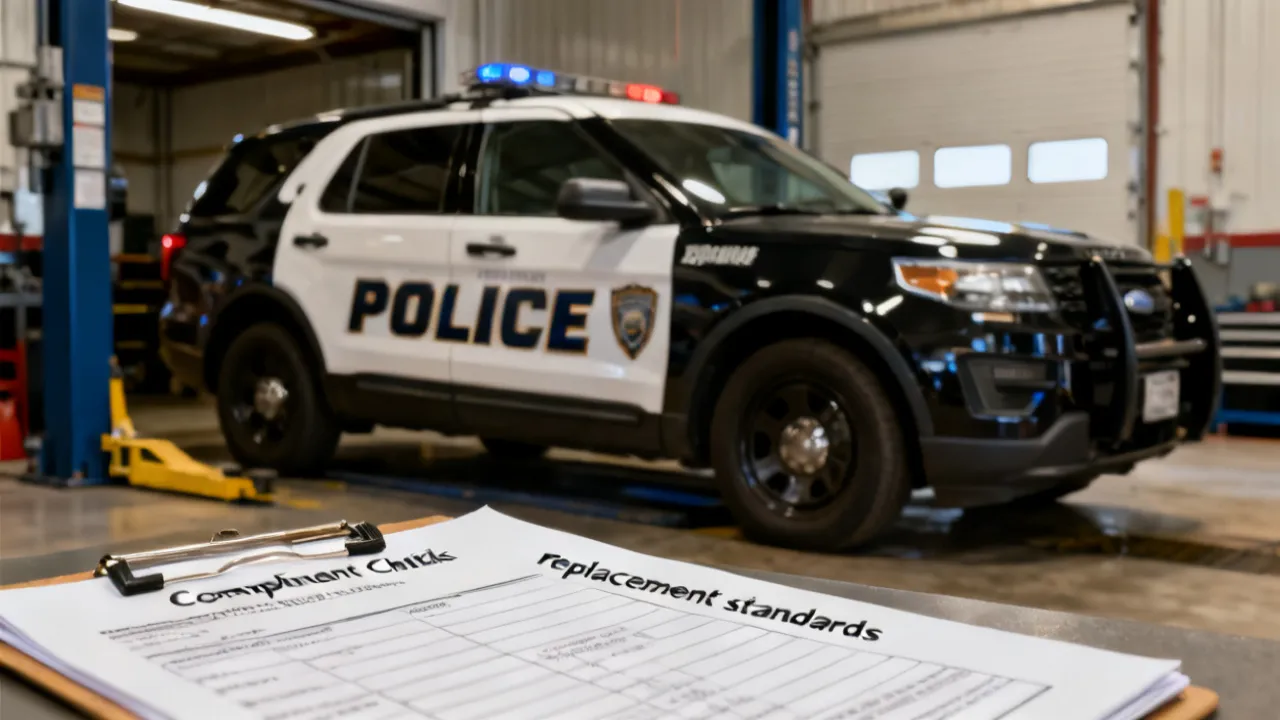
Police Vehicle Replacement Standards Explained
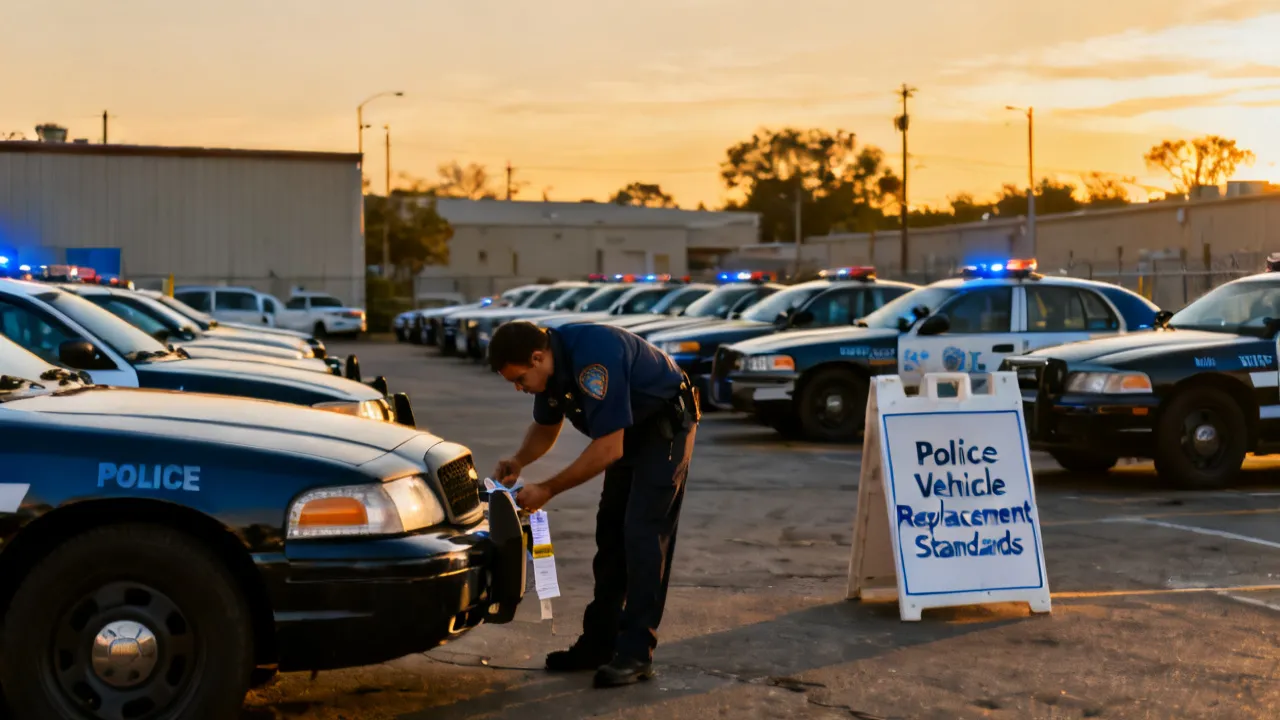
Police Vehicle Replacement Standards Explained for Fleet Teams
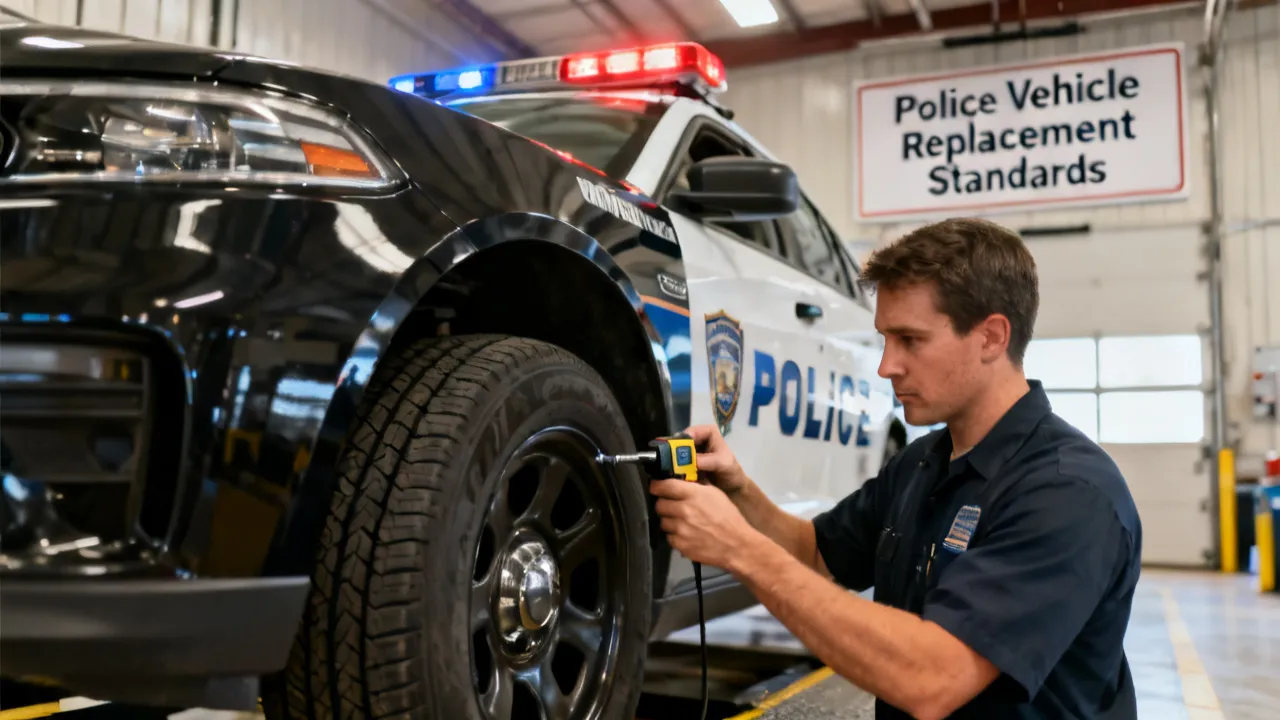
Police Vehicle Replacement Standards and Buying Options
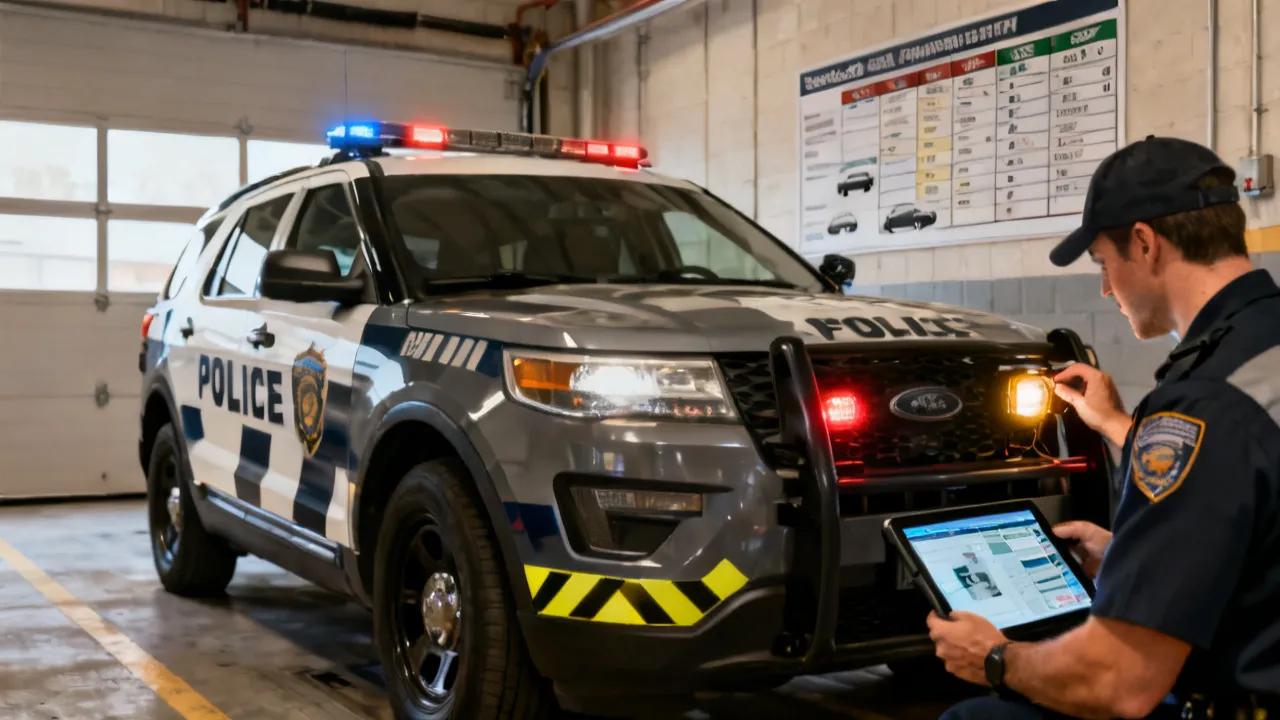
Police Vehicle Replacement Standards Explained
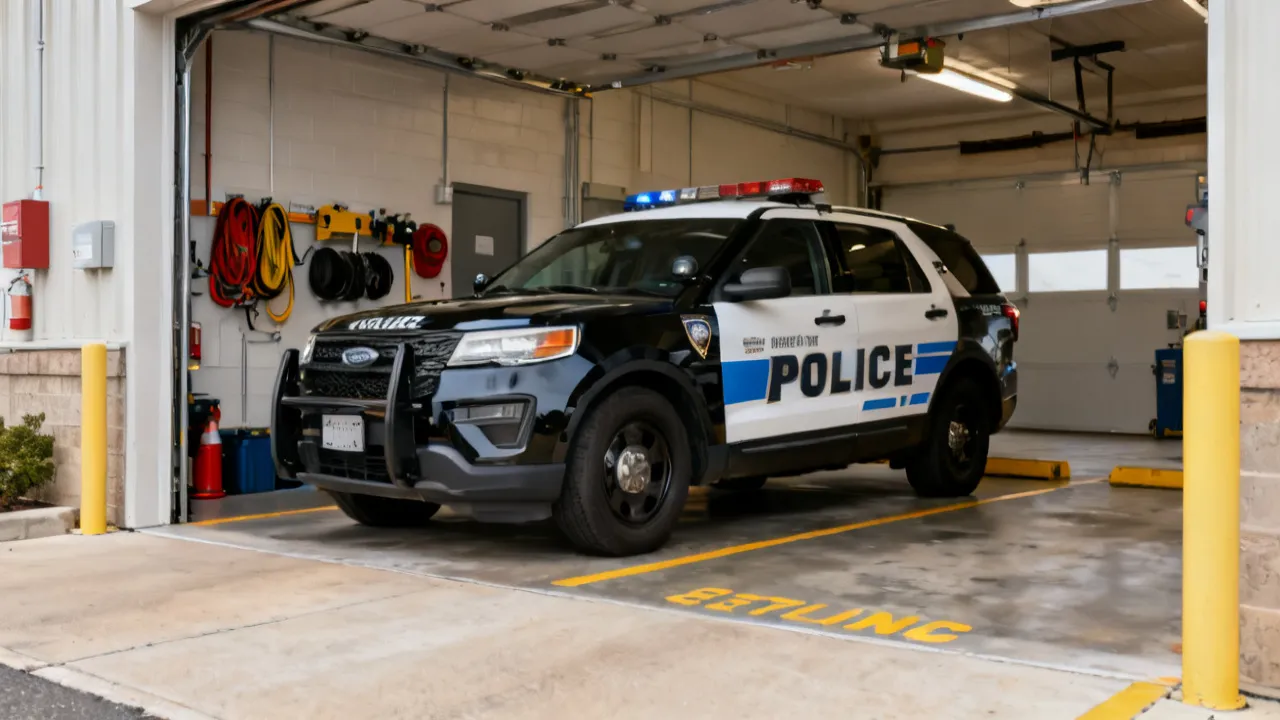
Police Vehicle Replacement Standards and Safer Procurement
Police Vehicle Replacement Standards and Fleet Buying Guide
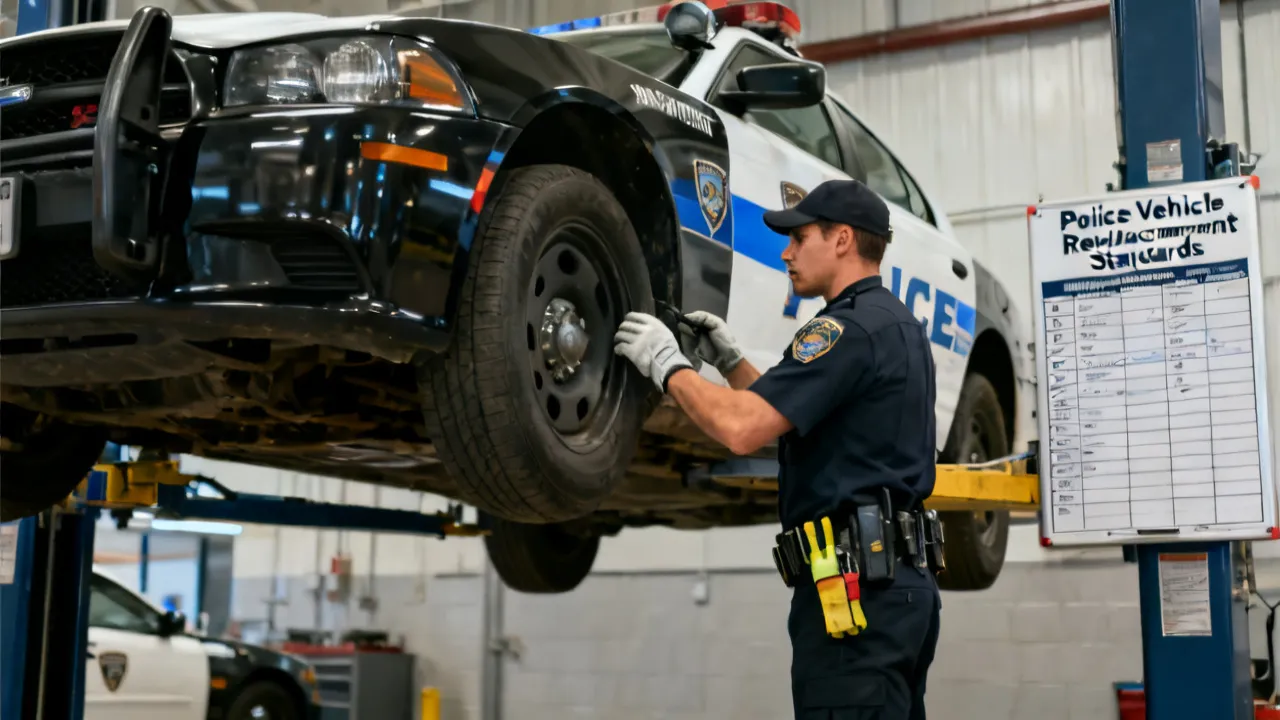
Police Vehicle Replacement Standards and Buying Guide
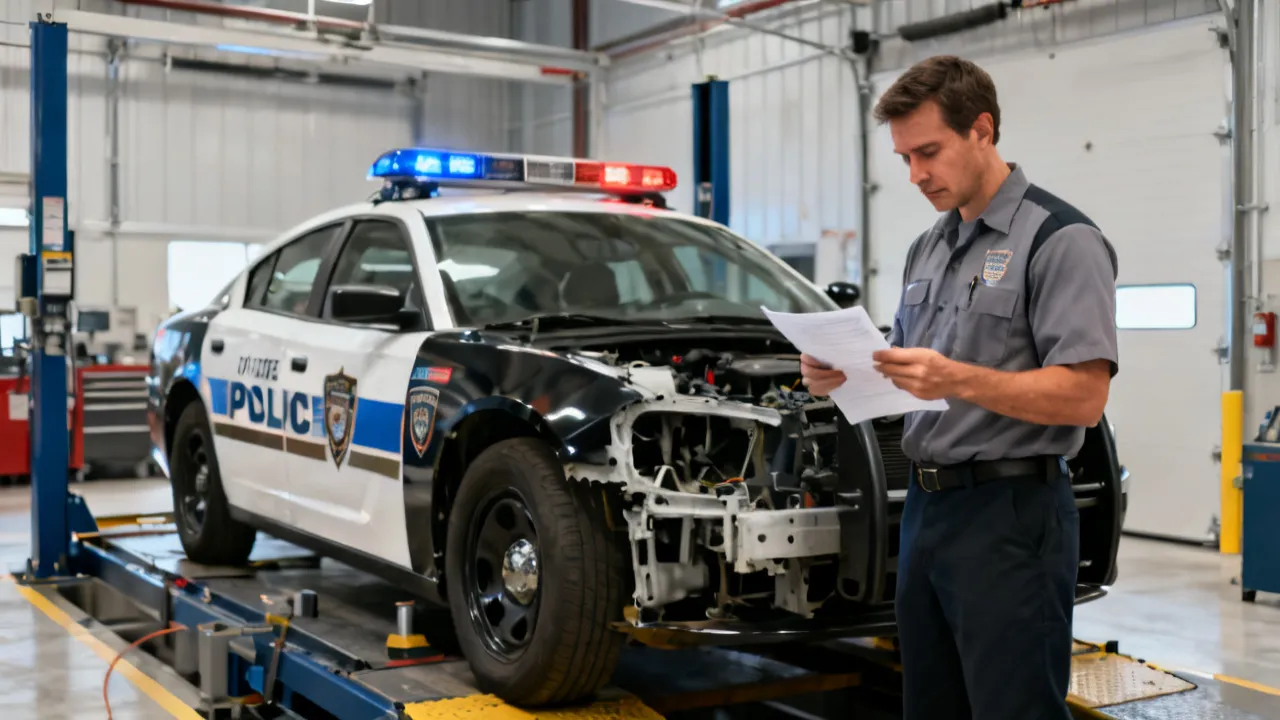
Police Vehicle Replacement Standards and Fleet Buying
This guide explains how Police Vehicle Replacement Standards shape budgeting, safety, and readiness for departments, while showing how to find a cheap car on sale through reputable marketplaces. It also provides objective steps for evaluating replacements—mileage, lifecycle costs, safety equipment, and compliance—using practical criteria you can apply whether you’re sourcing marked units or general-purpose vehicles.
Police Vehicle Replacement Standards and Buying Used Cars
This guide explains Police Vehicle Replacement Standards and how agencies evaluate fleet age, condition, safety, and readiness—then translates those same discipline-driven checks into a practical process for finding a cheap car on sale. It introduces major official trading platforms, offers a comparison framework, and provides expert-style requirements and FAQs. Objective, compliance-focused, and built for real-world decisions.
Police Vehicle Replacement Standards Explained
Police Vehicle Replacement Standards shape when agencies retire and replace patrol cars to balance safety, reliability, budgeting, and compliance. This guide explains the objective framework agencies use—vehicle lifecycle planning, performance metrics, and procurement controls—then shows how buyers can find a cheap car for sale by comparing reputable dealer listings like Cars.com, Carmax, CaronaSale, and Autotrader.
Police Vehicle Replacement Standards Explained for Fleet Teams
Police Vehicle Replacement Standards shape how agencies decide when to retire, repair, or replace patrol cars and support units to maintain safety, reliability, and readiness. This guide outlines the objective criteria fleets commonly use—mileage, condition, cost-to-maintain, and mission requirements—then compares official dealer marketplaces and explains how to find and buy a reasonably priced car for fleet or backup needs.
Police Vehicle Replacement Standards and Buying Options
Police Vehicle Replacement Standards define when fleet agencies should retire and replace patrol cars based on safety, reliability, and operational readiness. This guide explains how replacement standards work, how to evaluate vehicles like any other used-car purchase, and where to find current listings on major official car trading websites. It also outlines a practical decision checklist and key requirements.
Police Vehicle Replacement Standards Explained
Police Vehicle Replacement Standards guide agencies in deciding when to rotate patrol and support fleets, balancing safety, reliability, cost control, and regulatory expectations. This guide explains how standards are typically built, what to document during replacement planning, and how to find and compare discounted vehicles. It also summarizes key purchasing steps using reputable car trading websites.
