This guide explains how to assess Vehicle Availability before buying a car on sale, so you can avoid common surprises in stock, timing, and paperwork. It covers how to compare listings, confirm inventory details, and evaluate total costs beyond sticker price. Background sections outline how online marketplaces, dealer inventory systems, and vehicle history information shape what shoppers see.

When shoppers search for “Vehicle Availability” and “car on sale,” the real risk is not price alone—it’s mismatch. Inventory can change quickly, photos may reflect different trims, and “availability” can depend on region, financing status, or timing. The very reliable approach is to treat Vehicle Availability as a decision input: verify the specific listing details, confirm stock status early, and then compare the full cost to make sure the deal is meaningful.
From an industry perspective, availability is usually controlled by dealer inventory feeds, reconciling in real time with systems for title status, transport, and reconditioning timelines. That’s why a discount that looks consistent today may tighten tomorrow—or expand when a vehicle is ready. Your goal is to reduce uncertainty while staying objective about what the listing can actually deliver.
Vehicle Availability determines whether a bargain is actionable. Consider these practical realities:
In short, availability is a supply-chain outcome translated into a shopper interface. The better you read that interface, the less you pay in hidden time and uncertainty.
“On sale” can mean multiple things—often more than shoppers realize. A discount might come from manufacturer promotions, dealer-specific pricing strategies, lease/finance incentive structures, or marketing programs tied to a vehicle’s age in inventory. When buyers treat “on sale” as a single, simple label, they may miss that the final offer can shift based on eligibility, readiness, or store-level approval.
In many cases, dealers price vehicles dynamically. If the vehicle is fresh on the lot, the price may be higher because there’s less urgency to move it. If it sits longer, price adjustments can occur. If recon work reveals issues, dealers may also adjust pricing to reflect the cost of making the vehicle ready. Meanwhile, inventory systems update asynchronously—one system might show the car “available,” while another knows it’s reserved or pending inspection completion.
That’s why the best buying approach is to treat Vehicle Availability and sale pricing as connected variables. Your job isn’t to guess what the dealer will do later. Your job is to confirm what they can deliver now, what the discount requires, and what changes between the listing page and the final bill of sale.
Before you chase a discount, start with the official online sources where dealers and marketplaces publish inventory. Below is a comparison table that summarizes the primary purpose of each official site in the context of Vehicle Availability and “cars on sale” discovery.
| Website | Top Use for Shoppers |
|---|---|
| cars.com | Broader marketplace search and viewing dealer inventory listings to compare makes, models, and availability. |
| carmax.com | Inventory browsing focused on a standardized shopping experience (often with consistent inspection and buying workflows). |
| caronsale.com | Deal-focused inventory discovery intended to help shoppers find cars currently presented as on sale. |
| autotrader.com | Marketplace discovery that helps compare listings and location-based availability across participating dealers. |
Source of information:
source: [www.cars.com](https://www.cars.com/)
source: [www.carmax.com](https://www.carmax.com/cars)
source: [www.caronsale.com](https://www.caronsale.com/en)
source: [www.autotrader.com](https://www.autotrader.com/)
These sources are useful because they typically provide searchable inventory and listing-level detail that helps you interpret Vehicle Availability. Still, treat any “on sale” badge as a starting point—not a final confirmation. The listing page is only a preview of what exists in the dealer’s actual pipeline.
Most listings include subtle indicators that can help you determine whether a “deal vehicle” is truly actionable. Even when a site does not explicitly say “in stock,” you can still infer readiness by reading the details carefully.
As you review a listing, prioritize the following:
If you can identify at least one ambiguity—like unclear status or missing VIN-level confirmation—your next step should be immediate verification by contacting the dealer and asking the exact questions needed to confirm deliverability.
Buying a cheap car on sale is less about luck and more about sequencing. The following step-by-step guide reflects how many experienced buyers approach inventory decisions—especially when supply changes quickly.
Notice that the workflow is intentionally ordered. Many buyers negotiate first, verify later. That’s the opposite of what you want when inventory moves quickly. You reduce your risk by verifying that the car you’re bargaining for is the same one you’ll actually receive.
In practice, Vehicle Availability and “on sale” pricing often depend on conditions. Use the checklist below to decide when a deal is likely to be real and deliverable.
Here’s an example of how these conditions can shift the final outcome. Suppose a listing shows a “sale price” that seems unbeatable. If the discount requires financing, but your plan is to pay cash or use different credit terms, you may not qualify. Or if the vehicle is “available” but still in reconditioning, you might not be able to complete the purchase until it’s ready, and that delay can affect timing, insurance start date, or your travel schedule.
Online “inventory” is an interface layer. Under the hood, dealerships and marketplaces rely on inventory feeds that can update frequently, but not always with perfect synchronization. That creates a predictable pattern: your search results may reflect a snapshot from minutes to days earlier depending on the listing system.
From an expert buyer-analyst standpoint, the top approach is to treat the listing as “conditional availability.” The discount is likely correct for the period shown, but the ability to finalize the deal depends on:
That’s why a quick confirmation call can save more money than additional time spent scrolling. It’s not just about price—it’s about whether the vehicle you’re negotiating is the one you’ll receive.
“Car on sale” listings can be compelling, but the very sustainable bargains come from understanding what you’re trading off. Consider these objective strategies:
A low price can be explained by higher mileage, fewer features, or cosmetic issues. Instead of chasing the lowest number, compare like-for-like: similar mileage, similar trim, and similar condition disclosures.
For example, if one vehicle is listed at a very low price but shows “minor damage reported,” “needs tires,” or “cosmetic wear,” then the lower number might reflect legitimate cost to fix or replace items. Conversely, a slightly higher price on another listing might already include repairs and an inspection pass. The “best deal” is usually the one with the smallest gap between the listed price and the true end cost.
Some “on sale” offers include benefits such as dealer-provided warranties, inspection coverage, or accessory bundles. Others require extra payment. Ask what is included before you commit.
To avoid surprises, ask the dealer to itemize what’s included in the sale price versus what adds cost at purchase. This can include extended warranty options, appearance protection plans, service contracts, gap insurance (if applicable), or dealer add-ons. Your goal is not to reject every add-on; it’s to understand whether the add-ons are mandatory, optional, or already baked into the quote.
If the listing indicates that a vehicle is still in reconditioning or awaiting inspection, ask for a completion timeline. Deals may improve once the vehicle passes internal checks, but you should know when you can realistically view it and finalize the purchase.
Timing also impacts negotiating leverage. If you’re buying with a deadline (for example, you need a car by a specific date due to work or family travel), insist on a clear timeline. If the dealer cannot confirm readiness, that uncertainty can undermine the value of the discount. In other words, “available” isn’t just about the vehicle being listed—it’s about being ready for you to inspect, test drive, and purchase on your schedule.
While it’s normal for listings to use marketing language, avoid making assumptions about final fees or eligibility without confirmation. If a discount depends on financing that you haven’t secured yet, treat it as conditional.
Sometimes marketing language can distract from key details. If a listing emphasizes a dramatic price drop but provides few specifics about fees, warranties, or readiness, you should ask direct questions. If necessary, request an “out-the-door” estimate. A strong bargain should survive the translation from marketing price to real financial total.
Here is a straightforward workflow aligned with how reputable inventory sources typically present Vehicle Availability.
This multi-source approach reduces the risk of missing the top combination of price, readiness, and exact trim match. It also improves your negotiating posture: you can show dealers you’ve compared the market and that you’re not chasing a single listing in isolation.
As you move between sites, keep your comparison method consistent. Don’t let yourself drift into comparing a “closest match” on one site with a “best deal” on another. You want apples-to-apples. If you define your criteria up front—like mileage bands, trim level, drivetrain, and condition—then each listing you find is easier to evaluate objectively.
Experienced buyers often prepare before they reach out. This helps you move quickly when a vehicle is actually available. Prepare the following:
When Vehicle Availability is limited, preparation increases your odds of getting the car you want rather than a similar one that appears later.
Preparation also reduces back-and-forth. If you have pre-approval, know your budget range, and can articulate your must-have requirements, the dealer can quickly determine whether the vehicle fits your needs and whether you qualify for sale incentives. That efficiency matters because inventory decisions can be time-sensitive.
Verification doesn’t have to be complicated. Use targeted questions that confirm (1) the exact vehicle, (2) true status, (3) readiness timeline, and (4) what conditions apply to “on sale” pricing.
Consider asking:
This script keeps the conversation grounded in Vehicle Availability and deliverability. It also helps you avoid common negotiation traps where dealers discuss pricing first and only later clarify readiness, eligibility, or readiness fees.
One of the most common reasons buyers feel misled is the “invisible mismatch” between what they believed they were buying and what the dealer actually has. This mismatch can happen even with reputable platforms due to delays, templates, or manual updates.
To avoid it, treat trim and options as the cornerstone of your evaluation:
Photos can help, but they can also mislead. If the listing contains fewer photos than expected, or the photos show mismatched features (for example, different wheels than described), use that as a signal to verify by VIN. The simplest way to prevent mismatch is to ask for a photo set that specifically matches the exact car—especially images of the dashboard, odometer, tire sidewalls, and any defect areas you might care about.
Vehicle Availability is only one side of the equation. The other side is cost. Shoppers frequently focus on the listed sale price and forget that the final number includes taxes, registration, dealer fees, and sometimes add-ons. When “on sale” pricing is conditional, the out-the-door estimate can change quickly depending on your financing and trade-in choices.
Here’s a structured approach to getting clarity:
When you compare out-the-door numbers rather than sale stickers, the “best deal” tends to become much clearer. You also reduce the chance you’ll feel stuck when the final paperwork arrives.
Finance can be one of the biggest “availability” influencers from the buyer’s point of view. Not because financing changes whether the car physically exists—but because it can change whether the discounted offer applies to you. In many sale structures, eligibility depends on credit tiers, down payment minimums, loan term length, or the inclusion of a trade-in.
Common scenarios include:
To manage these risks, ask the dealer to confirm what the discounted offer requires. If your financing status isn’t finalized yet, ask what price you’ll pay under different options: cash versus financed, or trade-in versus no trade-in.
Shoppers often use “available” to mean “ready to take home.” But in inventory workflows, available can mean “in the system” rather than “ready for purchase.” Timing affects your experience and can impact cost indirectly (such as insurance start dates, travel costs, or scheduling a test drive).
Examples of readiness gaps include:
In this context, confirm when “available” becomes truly purchasable. Ask for a timeframe and whether they can hold the vehicle for a short window (for example, 24–48 hours) while you finalize paperwork.
Negotiation can be a productive process when it’s based on verified reality. Vehicle Availability gives you an advantage: you can focus on actual constraints rather than hypothetical ones. The goal is to anchor your negotiation in known information—condition, readiness, comparable listings, and confirmed eligibility requirements.
Consider a negotiation approach that includes:
One key mistake buyers make is threatening or rushing without information. Instead of saying, “I’m going to walk unless you match,” try: “If the car is ready by X date and the out-the-door price comes in at Y, I’m ready to proceed.” This ties negotiation to deliverability and encourages the dealer to respond with specifics.
To make the process repeatable, you can use a minimum standard checklist before you invest time or travel. The idea is simple: if you can’t verify the critical items, you shouldn’t commit.
When you have these answers, you’ve essentially converted “guesswork” into facts. Even if the price isn’t the lowest possible, you’re buying with confidence because you understand what you’re actually getting.
Certain situations increase the importance of Vehicle Availability and make verification even more critical.
If the car is outside your local area, transportation and paperwork become central. Confirm delivery timing, transport costs (if any), and whether you can get a virtual inspection or additional photos. Also ask what happens if the car is not ready by the scheduled date.
Trade-in pricing and eligibility can affect sale incentives. Ask for trade-in evaluation details and whether the deal price is guaranteed once your trade-in is considered. Also confirm whether the dealer requires the trade-in at the same time as purchase or if it can be handled separately.
Deal incentives might be tied to using the dealer’s preferred financing. If you intend to finance elsewhere, ask whether you’ll still qualify for the “on sale” discount. If not, compute the out-the-door price for both options.
If you need a car immediately, treat readiness as non-negotiable. Request a written or clearly communicated timeline for inspection and delivery of purchase paperwork. Inventory can change fast, so you should confirm hold policies.
Using multiple official sources is helpful, but it can also introduce confusion if listings don’t match perfectly. Sometimes the same vehicle can appear with slightly different text due to how inventory feeds are mapped.
To avoid confusion:
Think of multi-source browsing as a way to widen your net. Your confirmation step should always bring you back to the dealer’s actual deliverability for the specific VIN you want.
Not every mismatch is a problem, but certain patterns should raise your caution and prompt verification.
Red flags don’t automatically mean “bad deal.” They mean “verify first.” You can still buy confidently once you have clarity.
Use the listing page details and then contact the seller quickly. Ask whether the exact VIN is still available, whether it’s reserved, and whether the vehicle is ready for viewing. If transport is involved, confirm pickup or delivery timing and any hold policies.
No. “On sale” pricing can be conditional on financing, trade-in, or eligibility requirements. Always confirm total out-the-door cost, including taxes, registration, and dealer fees, and ask what is included in the offer.
Commonly used official sources include cars.com, carmax.com, caronsale.com, and autotrader.com. Each provides inventory discovery, but the real value comes from verifying listing-level details and confirming stock status directly.
Compare trim and options, mileage, disclosed condition notes, and any included protections (warranty/inspection coverage). Also compare the timing: whether the vehicle is currently available or pending reconditioning.
Not necessarily. A lower listed price can reflect higher mileage, fewer features, cosmetic or mechanical issues, or different risk factors. Evaluate the full context and confirm disclosures rather than focusing on the sticker price alone.
As quickly as possible—often within the same day. Inventory updates can be delayed, and high-value discounts may attract attention immediately. If the listing appears to be a good fit for your must-have criteria, reach out early to confirm whether it’s still available.
Ask how long the hold lasts, whether the vehicle will be released, and whether there are similar available units with the same trim and features. If it’s not guaranteed, prioritize another comparable listing rather than assuming you’ll get the same vehicle later.
It’s not always required, but requesting an itemized estimate or confirming out-the-door numbers before you proceed can protect you from last-minute changes. At minimum, ask for confirmation of discount eligibility and whether additional add-ons are mandatory.
1) The above information comes from online resources, and the data is as of October 2023.
2) For more information, please refer to the official website.
Reference links:
[www.cars.com](https://www.cars.com/)
[www.carmax.com](https://www.carmax.com/cars)
[www.caronsale.com](https://www.caronsale.com/en)
[www.autotrader.com](https://www.autotrader.com/)
Understanding Vehicle Availability for Better Purchasing Decisions

How Vehicle Availability Affects Used Car Deals

How to Secure Vehicle Availability Efficiently
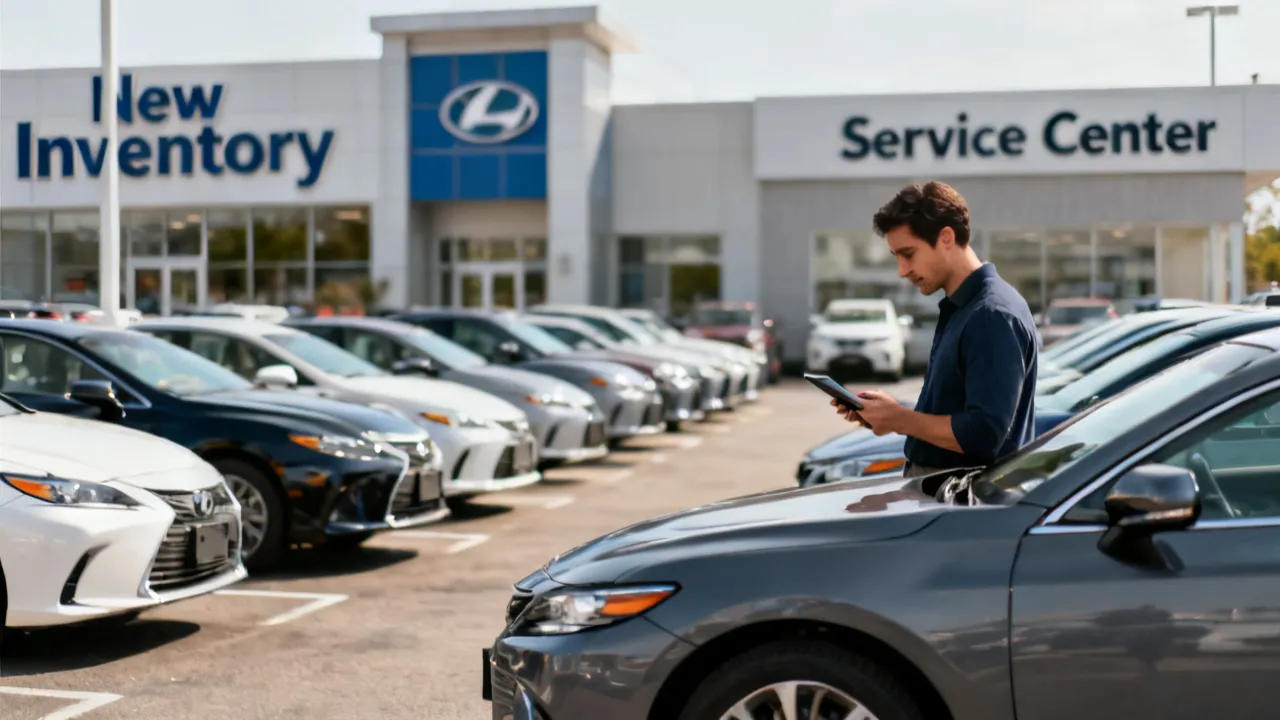
How Vehicle Availability Shapes Smarter Fleet Decisions
Vehicle Availability Guide for Buying a Used Car

Vehicle Availability Guide for Buying a Car

Vehicle Availability Guide for Buying a Deal Car
Vehicle Availability Guide for Reliable Sourcing Decisions
Understanding Vehicle Availability for Smarter Buying Decisions

How Vehicle Availability Affects Used Car Deals
Vehicle availability is a major factor behind pricing, selection, and the speed of purchase when shopping for cars on sale. This guide explains how inventory flows, what to check before you commit, and how to locate affordable options using official trading platforms such as cars.com, CarMax, Caronsale, and Autotrader. It also provides a practical buying checklist and FAQs from an industry expert perspective.
Vehicle Availability Guide for Buying a Used Car
Vehicle Availability determines how quickly you can match your needs with cars on sale, from pricing and inventory to lead times. This guide explains, in an objective way, how to evaluate availability across major trading platforms, compare listings from official car trading websites, and use a step-by-step method to find a cheap car with confidence—while accounting for condition, location, and verification requirements.
Vehicle Availability Guide for Buying a Car
Vehicle Availability is the practical starting point for finding the right car in a market that changes daily. This guide explains how to evaluate inventory, pricing signals, and dealer listings without guesswork, using established official trading websites. You’ll learn how to locate offers, compare options, and decide efficiently—backed by clear conditions and expert buying considerations.
Vehicle Availability Guide for Buying a Deal Car
This guide explains how to assess Vehicle Availability before buying a car on sale, so you can avoid common surprises in stock, timing, and paperwork. It covers how to compare listings, confirm inventory details, and evaluate total costs beyond sticker price. Background sections outline how online marketplaces, dealer inventory systems, and vehicle history information shape what shoppers see.
How to Check Vehicle Availability and Buy Cheap
Vehicle Availability is the deciding factor for buying a car that fits your budget, because the top deals often depend on what’s actually in stock. This guide explains how to use reputable official trading platforms to locate on-sale vehicles, compare pricing and terms, evaluate history and condition, and complete a purchase safely. It also provides a structured checklist, key conditions, and FAQs.

Vehicle Availability Guide for Buying a Car
Vehicle availability determines what you can buy today, what arrives next, and where pricing pressure may appear. This guide explains how to interpret current inventory, use trusted official car trading websites (cars.com, Carmax, Caronsale, and AutoTrader), compare dealer offers, and apply practical steps to find a reliable low-cost vehicle while meeting key purchase conditions.
